Joint & Bone Health Supplements: Ingredients, Safety & Buying Guide (2026)
Joint and bone supplements typically combine glucosamine, chondroitin and MSM with anti-inflammatory botanicals such as boswellia and turmeric, marketed for stiffness and mobility. The evidence is genuinely mixed — some people report benefit, large trials are inconsistent. These are support, not a cure for arthritis; persistent joint pain should be assessed by a doctor.
On this page
What joint & bone health support means · the problems people try to solve · oral versus other formats · when it needs a doctor · the products we've reviewed · safety and who should avoid them · FAQs.
What joint & bone health support actually means
Joint-support products aim to ease stiffness and support comfortable movement using cartilage building blocks (glucosamine, chondroitin), sulfur compounds (MSM) and anti-inflammatory botanicals (boswellia, turmeric). They are usually daily capsules taken for weeks to months, and benefit — where it occurs — tends to be gradual and modest.
Common problems people try to solve
People use these products for everyday joint stiffness, age-related wear, and the aches that follow activity. The most common target is osteoarthritis-type discomfort. Sudden, severe, hot, swollen or one-sided joint pain is different and should be assessed promptly, as it can signal injury, gout or inflammatory arthritis that needs specific treatment.
How these products actually work — and their limits
Most joint products are oral capsules, and the honest question is less about format than about whether the ingredients work at all. Glucosamine and chondroitin are the classic pairing but large trials are inconsistent; boswellia and turmeric have more promising anti-inflammatory data. Either way, results build slowly over weeks and vary a lot from person to person.
When it needs a doctor, not a supplement
A doctor's assessment is worth more than guesswork here. Persistent or worsening joint pain, swelling, locking, or pain that disturbs sleep should be evaluated to identify the cause and the right treatment — which might be exercise therapy, weight management, medication or, sometimes, a procedure. Supplements are an optional add-on, not a substitute for that.
What to look for in a joint & bone health product
If you trial a joint supplement, favour products that disclose per-ingredient doses, note that glucosamine is usually shellfish-derived (an allergy caution), and check anti-inflammatory botanicals (turmeric, boswellia, bromelain) against any blood thinners. Give it a fair trial of a couple of months, and judge it honestly against the strongest evidence-based options — movement, physiotherapy and healthy body weight.
Products we've reviewed in this category
 Joint & Bone Health
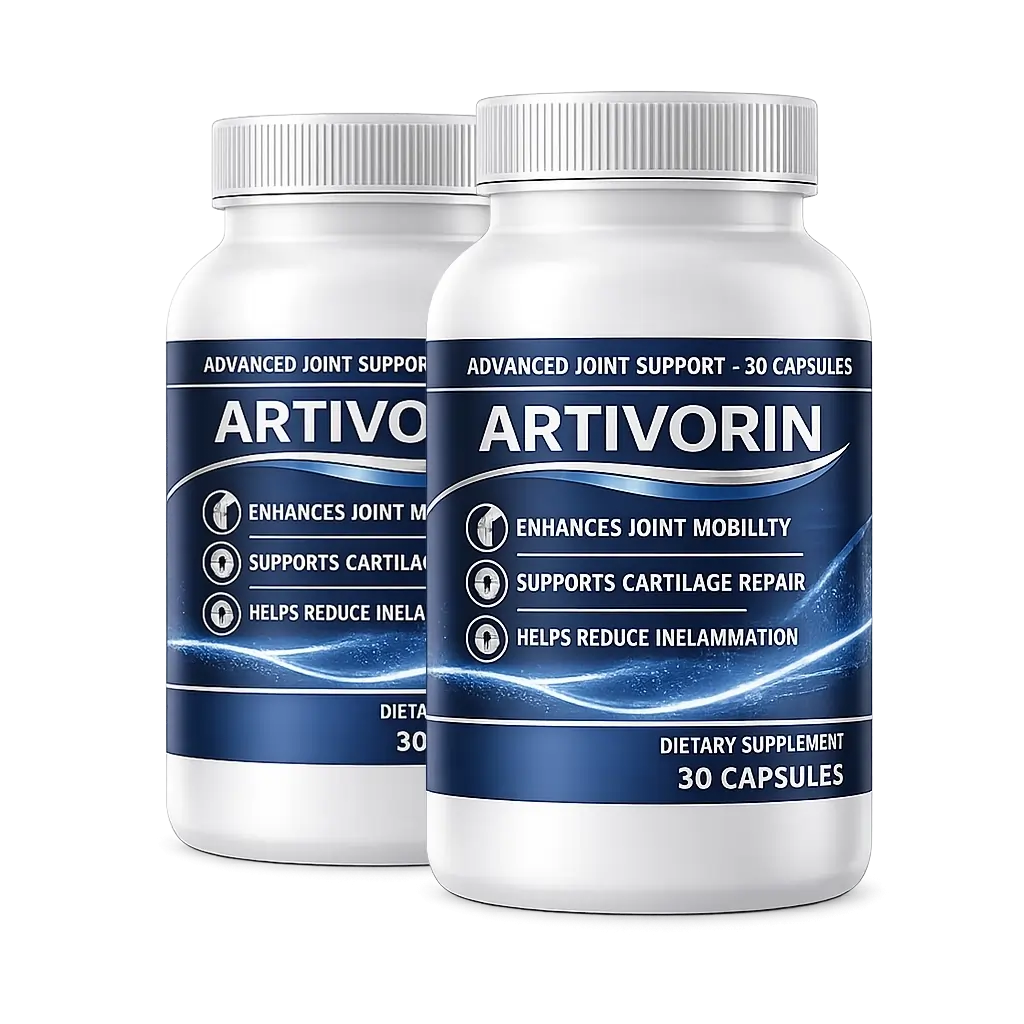
 Artivorin
Artivorin is marketed as an 'advanced joint support' formula that claims to enhance mobility, support cartilage and…
Read review →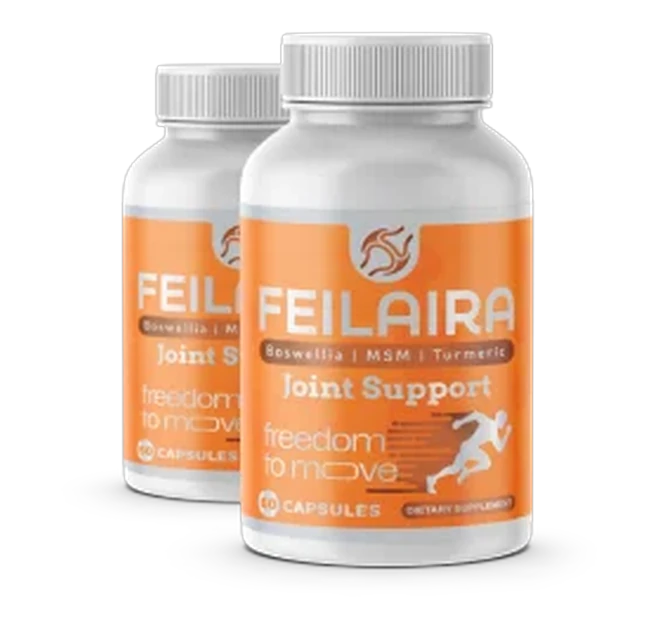 Joint & Bone Health
 Feilaira
Feilaira is a joint-support capsule built on glucosamine, chondroitin, MSM, boswellia, turmeric and bromelain — the…
Read review →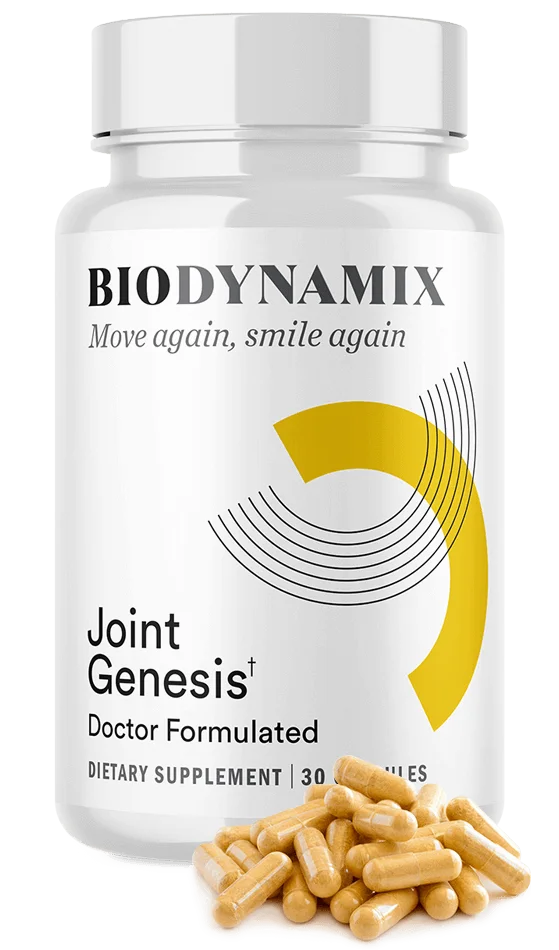 Joint & Bone Health
 Joint Genesis
Joint Genesis is a BioDynamix joint-support capsule built around Mobilee (a patented hyaluronic-acid complex),…
Read review →Joint & Bone Health supplements compared
A quick side-by-side of the joint & bone health products we've reviewed so far. Prices and guarantees are set by sellers and change, so confirm them on the official page.
| Product | Key ingredients | Price from | Guarantee | Best for |
|---|---|---|---|---|
| Feilaira | Glucosamine Sulfate, Chondroitin Sulfate, MSM, Boswellia Extract, Turmeric | Around $49-$69 per bottle depending on the package (per vendor), with bundle discounts | 60-day money-back guarantee (per vendor; some pages cite longer) | Adults with mild joint stiffness wanting glucosamine-based support, after a doctor has assessed persistent pain |
Safety notes for joint & bone health supplements
Joint supplements are generally well tolerated, with mild digestive upset most common. Key cautions: shellfish-derived glucosamine (allergy), anti-inflammatory botanicals that may affect bleeding (turmeric, boswellia, bromelain), and a possible small effect of glucosamine on blood sugar. Persistent or worsening joint pain should be assessed by a doctor.
Who should avoid these supplements
Anyone with a shellfish allergy should avoid shellfish-derived glucosamine, people on blood thinners or facing surgery should check first, and anyone with severe, hot, swollen or rapidly worsening joint pain should see a doctor rather than self-treat.
What to check before buying a joint & bone health supplement
- The label: are per-ingredient doses disclosed, or hidden inside a proprietary blend?
- The evidence: do the main ingredients have research behind them at the doses studied?
- Your medications: check the full ingredient list against anything you take, and ask a pharmacist if you're unsure about interactions.
- The guarantee: confirm the current refund window and terms on the official page, since they change.
- The seller: buy from the official source for a genuine, in-date product with full guarantee protection.
Related guides
Dig into the science on individual ingredients in our ingredient library, weigh products against each other on the comparison hub, or browse all health answers.
Frequently asked questions
Do glucosamine and chondroitin actually work?
The evidence is mixed. Some people with osteoarthritis report benefit, but several large trials found them no better than placebo. Boswellia and turmeric have more promising anti-inflammatory data. Results vary and build slowly.
Is a joint supplement a cure for arthritis?
No. These are support, not a cure. Persistent or worsening joint pain should be assessed by a doctor, and exercise, physiotherapy and weight management have the strongest evidence.