Nerve Health Supplements: Ingredients, Safety & Buying Guide (2026)
Nerve-support supplements aim to ease occasional tingling, numbness and nerve discomfort, and to support healthy nerve function as you age. The nutrients with the most research behind them are alpha-lipoic acid, benfotiamine (a B1 form) and vitamin B12 — much of it in people with diabetic nerve symptoms. Persistent or worsening numbness always deserves a doctor's evaluation; these are nutritional support, not treatments.
Comparing products?
Our best nerve support supplements guide compares five reviewed formulas on alpha-lipoic acid, B12 and PEA evidence and safety.
On this page
What nerve health support means · the problems people try to solve · the best-studied ingredients · the products we've reviewed, compared · safety and who should avoid them · FAQs.
What nerve health support actually means
Nerve health refers to how well your peripheral nerves carry signals between the brain, spinal cord and the rest of the body. When those nerves are stressed or undernourished, people often notice tingling, numbness, burning or weakness, usually starting in the hands and feet. Nerve-support supplements aim to supply the nutrients nerves use to function and to reduce the oxidative stress that can wear them down over time. They are nutritional support for healthy adults, not a treatment for any diagnosed nerve disease.
Common problems people try to solve
The most common reasons people look for nerve support are pins-and-needles sensations, numbness, burning or shooting discomfort, and reduced feeling in the feet. These symptoms have many possible causes, including vitamin B12 deficiency, high blood sugar, thyroid problems, a pinched nerve, alcohol use and certain medications. That is exactly why a supplement should never be the first step: the underlying cause should be identified by a doctor first, because some causes are fully reversible once treated.
Best-studied ingredients for nerve health
If you compare nerve health products by their ingredients rather than their marketing, a handful of well-researched names come up again and again. Here is what the evidence actually says about each.
Alpha-Lipoic Acid (ALA)
Alpha-lipoic acid is an antioxidant with genuine randomised-trial evidence for easing the symptoms of diabetic nerve pain. It is t…
Read guide →IngredientBenfotiamine
Benfotiamine is a fat-soluble form of vitamin B1 (thiamine) that is absorbed far better than ordinary thiamine. It is used mainly …
Read guide →IngredientVitamin B12
Vitamin B12 is an essential nutrient for healthy nerves, red blood cells and energy metabolism. Deficiency is a well-recognised an…
Read guide →IngredientAcetyl-L-Carnitine (ALCAR)
Acetyl-L-carnitine is a form of the amino-acid-like compound carnitine that crosses into cells and the brain easily. It is studied…
Read guide →Products we've reviewed in this category
 Nerve Health
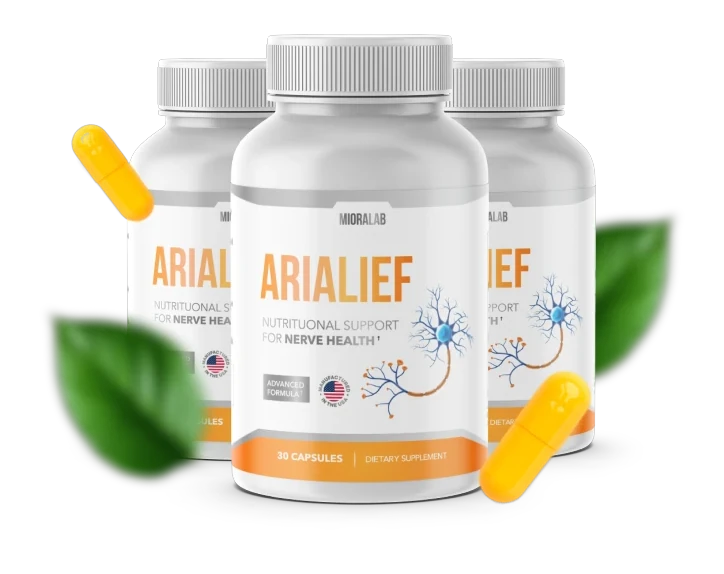
Arialief
Arialief is a neuropathy-support capsule led by PEA (palmitoylethanolamide) and alpha-lipoic acid, with magnesium glycinate, butcher's broom, L-carnitine and turmeric. PEA…
Read guide →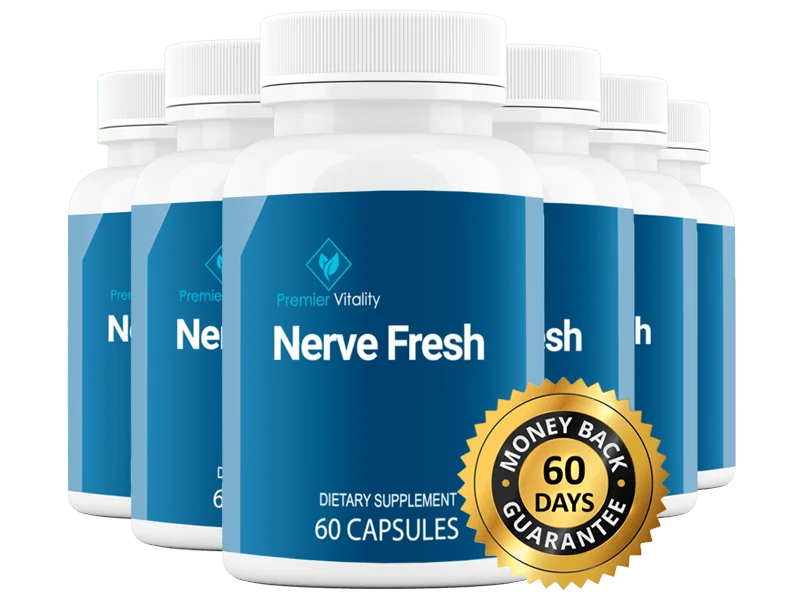 Nerve Health
Nerve Fresh
Nerve Fresh is a nerve-support supplement built around five calming, anti-inflammatory botanicals — prickly pear, passionflower, marshmallow root, corydalis and California…
Read guide →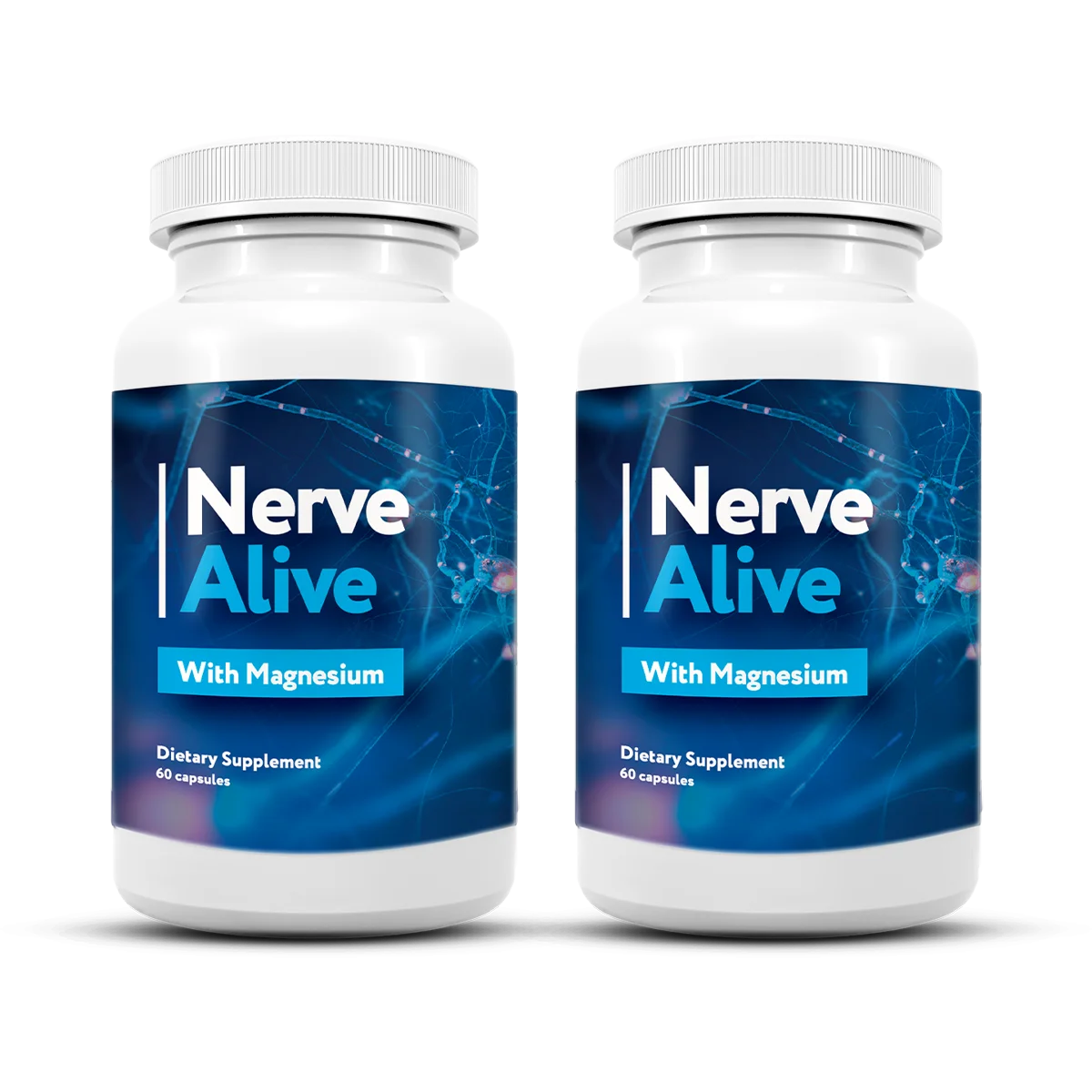 Nerve Health
NerveAlive
NerveAlive is a nerve-support supplement built on ingredients with genuine nerve research — alpha-lipoic acid, benfotiamine, B12 and acetyl-L-carnitine. It is one of the…
Read guide →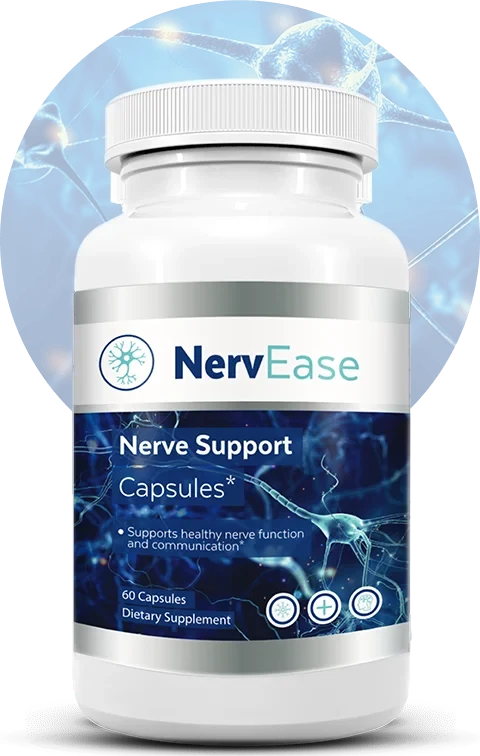 Nerve Health
NervEase
The supplied product image identifies NervEase packaging. This buying guide reviews its marketed purpose, evidence limits, safety questions and purchase considerations. A full current label is needed to confirm ingredients and serving instructions.
Read guide →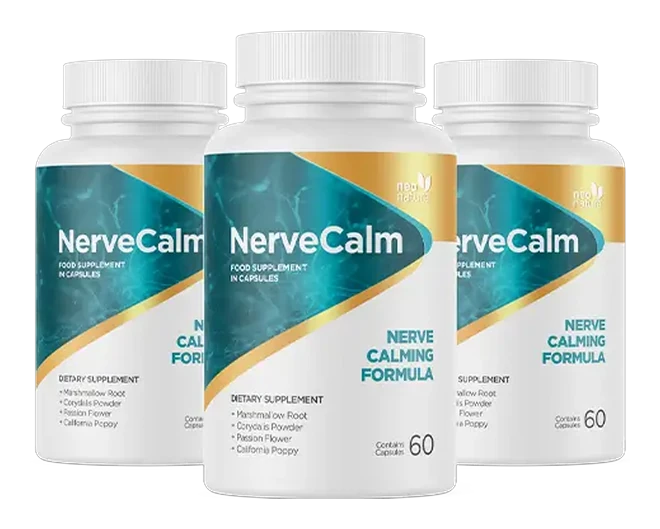 Nerve Health
NerveCalm
NerveCalm is a nerve-support supplement marketed for tingling, burning and numbness, built on calming botanicals (corydalis, California poppy, marshmallow root) plus…
Read guide →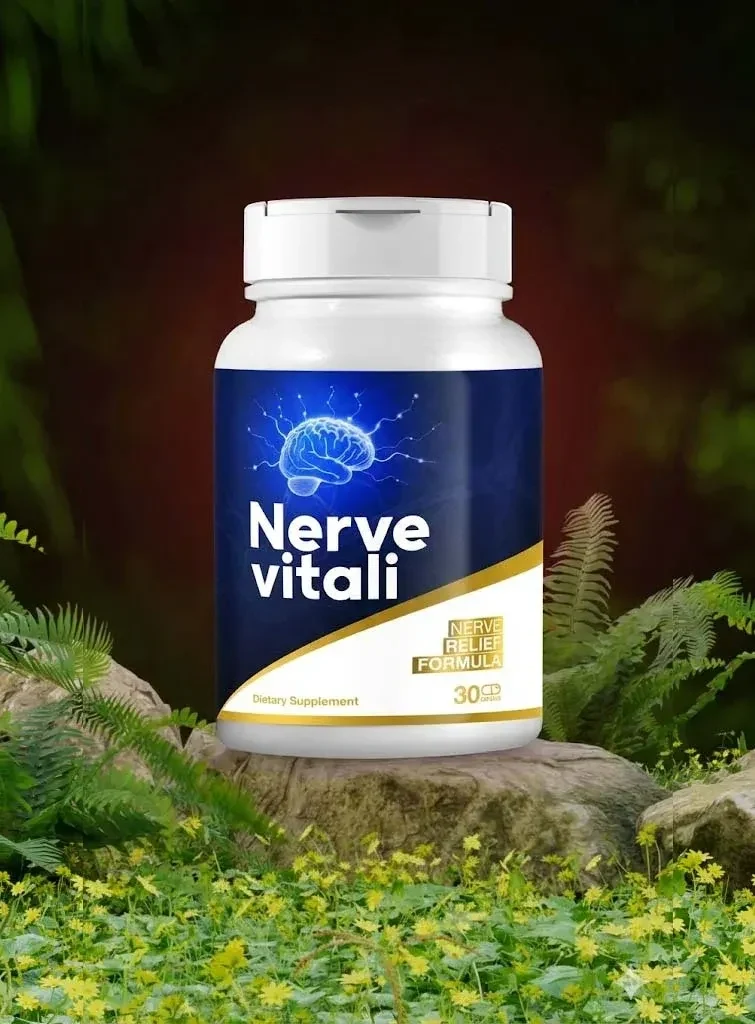 Nerve Health
NerveVitali
NerveVitali’s presentation uses a rapid nerve-reset theme. A meaningful buying assessment needs to distinguish that phrase from evidence of symptom relief or restored nerve…
Read guide →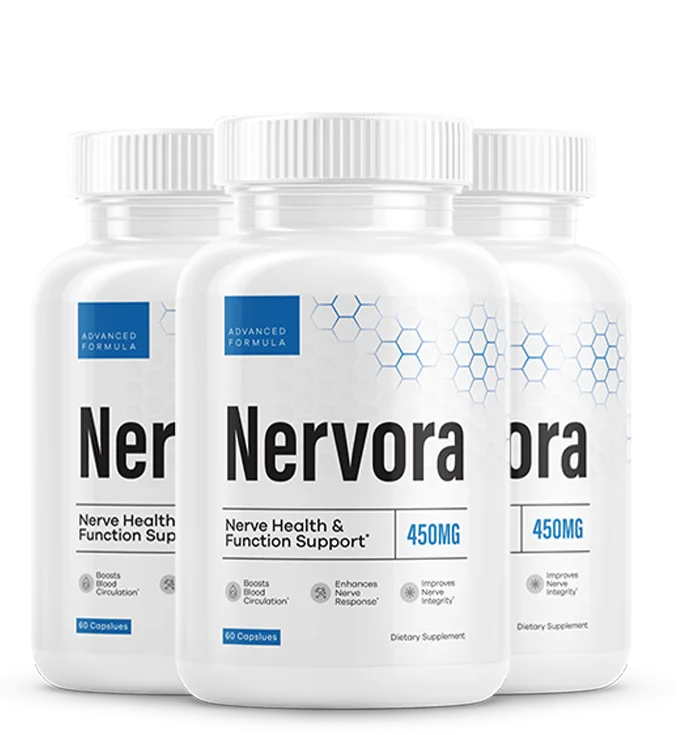 Nerve Health
Nervora
Nervora is a once-daily nerve-support supplement built on three research-backed nutrients — Alpha-Lipoic Acid, Benfotiamine and Vitamin B12 — to support normal nerve function…
Read guide →Nerve Health supplements compared
A quick side-by-side of the nerve health products we've reviewed so far. Prices and guarantees are set by sellers and change, so confirm them on the official page.
| Product | Key ingredients | Price from | Guarantee | Best for |
|---|---|---|---|---|
| Nervora | Alpha-Lipoic Acid (ALA), Benfotiamine (Vitamin B1), Vitamin B12 | About $69 for one bottle | 60-day money-back guarantee | Adults wanting daily nutritional support for nerve comfort and function |
| NerveAlive | Alpha-Lipoic Acid, Benfotiamine, Vitamin B12 | Around $49-$69 per bottle depending on the package (per vendor) | Money-back guarantee offered by the vendor — confirm the current window on the official page | Adults with tingling, numbness or nerve discomfort who want nutritional nerve support alongside medical care |
Compare nerve health products head-to-head
Weighing two specific nerve health products? These side-by-side comparisons break down formulas, evidence, doses and value to help you decide.
NerveAlive vs Nervora
Compare →vs popular alternativeNerveAlive vs Nerve Renew
Compare →vs popular alternativeNerveAlive vs Nerve Control 911
Compare →Safety notes for nerve health supplements
Most nerve-support nutrients are well tolerated, but two cautions stand out. Alpha-lipoic acid can lower blood sugar, which matters if you take diabetes or insulin medication. And very high doses of vitamin B6, sometimes included in nerve blends, can paradoxically cause nerve symptoms if taken in excess over long periods, so check the total B6 on any label.
Who should avoid these supplements
People with diabetes or on blood-sugar medication should talk to a doctor before using alpha-lipoic acid. Anyone whose nerve symptoms are new, worsening, or affecting balance, strength, or bladder and bowel control should see a doctor promptly rather than self-treating, as these can signal something that needs medical attention.
What to check before buying a nerve health supplement
- The label: are per-ingredient doses disclosed, or hidden inside a proprietary blend?
- The evidence: do the main ingredients have research behind them at the doses studied?
- Your medications: check the full ingredient list against anything you take, and ask a pharmacist if you're unsure about interactions.
- The guarantee: confirm the current refund window and terms on the official page, since they change.
- The seller: buy from the official source for a genuine, in-date product with full guarantee protection.
Nerve Health: health answers & guides
Background reading that helps you make sense of nerve health supplements before you buy.
What causes tingling in the feet?
Tingling in the feet has many possible causes, from temporary pressure to nerve-related conditions. Here's a plain-Engli…
Read →Health answerBest vitamins and ingredients for nerve health
Which vitamins and supplement ingredients actually have research behind them for nerve health? A look at the ones with r…
Read →Health answerWhat ingredients support healthy blood sugar levels?
From berberine to cinnamon, many ingredients are marketed for blood sugar. Here's which ones have real evidence, which a…
Read →Health answerDo blood sugar supplements really work?
An honest look at whether blood-sugar supplements lower glucose — which ingredients have evidence, and the safety catch.…
Read →Health answerHow long do supplements take to work?
Realistic timelines for when supplements show effects — and why instant-results claims are a red flag.…
Read →Health answerWhat is alpha-lipoic acid good for?
The real evidence for alpha-lipoic acid in nerve symptoms and blood sugar — forms, doses and safety.…
Read →Related guides
Dig into the science on individual ingredients in our ingredient library, weigh products against each other on the comparison hub, or browse all health answers.
Frequently asked questions
Do nerve supplements actually help?
Some ingredients — alpha-lipoic acid, benfotiamine, B12 — have genuine research for nerve symptoms, though much is in diabetic neuropathy and at specific doses. They're best seen as nutritional support, not a cure.
When should I see a doctor instead?
If numbness or tingling is persistent, worsening, or affecting daily life, see a doctor — nerve symptoms can have underlying causes that need medical assessment.
Which vitamin is best for nerves?
B vitamins, especially B12, B1 (often as benfotiamine) and B6, are the most associated with nerve health. B12 in particular is essential, and deficiency is a recognised, treatable cause of nerve symptoms.
Can supplements repair nerve damage?
No supplement is proven to repair damaged nerves. The research-backed nutrients may support nerve comfort and function and correct deficiencies, but genuine nerve damage needs medical assessment.