Pet Health Supplements: Ingredients, Safety & Buying Guide (2026)
Pet-health supplements — mostly aimed at dogs — are marketed for joints, coat, digestion, energy and 'detox'. Many use ingredients borrowed from human supplements (collagen, turmeric, ashwagandha, ginseng), but the canine evidence is usually limited, and 'natural' does not mean automatically safe for animals. These are optional support for generally healthy pets, never a substitute for a complete diet or veterinary care.
On this page
What pet supplements actually are, what to check before giving one to your dog, the products we've reviewed, and honest safety notes. Information only — not veterinary advice.
What pet-health supplements actually are
Most products in this category are aimed at dogs and sold as daily "wellness" support — drops, chews or powders added to food. They typically borrow ingredients from the human supplement world: collagen and bone broth for connective tissue, adaptogens such as ashwagandha and ginseng, antioxidant botanicals like turmeric, and "detox" herbs. The marketing often promises energy, mobility, a shinier coat and organ "detox", sometimes with dramatic before-and-after stories.
The honest framing is that these are optional top-ups for generally healthy pets. A complete, balanced dog food already provides the nutrients most dogs need, and the evidence for these blends specifically in dogs is usually limited — much of the supporting research comes from humans or the lab, not controlled canine trials.
What to check before giving your dog a supplement
- Ask your vet first — especially for dogs with health conditions, on medication, pregnant, nursing, or very young. Your vet knows your dog's history and any interactions.
- Confirm it's formulated for dogs — never give a human supplement to a dog, and never give a dog product to a cat or other species without specific advice.
- Read the label and doses — many products hide amounts in a proprietary blend, which makes it impossible to compare against any research.
- Check the guarantee and seller — buy from the official source for the genuine product and the refund window.
- Watch your dog — start low, introduce one product at a time, and stop if you notice any reaction.
Products we've reviewed in this category
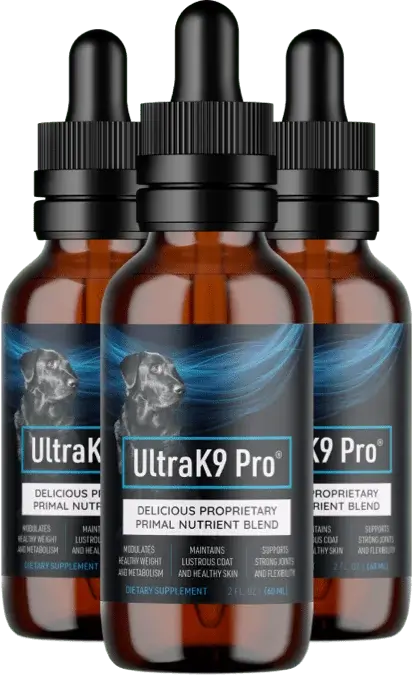
Safety notes for pet supplements
"Natural" does not mean risk-free for animals. Dogs process many botanicals differently from people; some can affect bleeding or fluid balance, interact with medication, or simply upset the stomach. Symptoms such as limping, stiffness, weight change, low energy, vomiting or diarrhoea deserve a veterinary assessment — not a supplement bought online. Use these products, if at all, as an optional extra alongside a complete diet and proper veterinary care.
Frequently asked questions
Are supplements necessary for a healthy dog?
Usually not. A complete, balanced dog food appropriate for your pet's life stage already supplies the nutrients most dogs need. Supplements are an optional top-up, and a healthy dog on good food and exercise may not need one at all.
Are 'natural' dog supplements safe?
Not automatically. Dogs metabolise many botanicals differently from humans, and some common herbs can affect bleeding, fluid balance or interact with medication. Always check with your veterinarian before starting any supplement, especially for dogs with conditions, on medication, pregnant, nursing, or very young.
Can I give my dog a human supplement?
No — human supplements can contain doses or ingredients (like xylitol) that are unsafe for dogs. Use products formulated for dogs, and confirm suitability with your vet.
When should I see a vet instead of buying a supplement?
Any limping, stiffness, weight change, low energy, vomiting, diarrhoea or other symptom should be assessed by a veterinarian. A supplement is not a diagnosis or a treatment.