Respiratory & Lung Health Supplements: Ingredients, Safety & Buying Guide (2026)
Respiratory and lung-support supplements blend traditional 'lung' botanicals such as mullein and quercetin with antioxidants, marketed for clearer breathing and airway comfort. The evidence is largely traditional or preliminary. Important: these offer general respiratory comfort support, not a treatment for asthma, COPD, infection or any lung condition — persistent breathing problems need proper medical care.
On this page
What respiratory & lung health support means · the problems people try to solve · oral versus other formats · when it needs a doctor · the products we've reviewed · safety and who should avoid them · FAQs.
What respiratory & lung health support actually means
Respiratory-support products aim to support comfortable breathing and general lung wellness using plant extracts and antioxidants. Most are daily capsules built on botanicals with a soothing or anti-inflammatory rationale. They may suit people wanting general support, but they do not diagnose or treat any lung condition.
Common problems people try to solve
People reach for these products for occasional chest tightness, a feeling that breathing isn't as easy as it used to be, the effects of pollution or seasonal irritation, or simply to 'support' the lungs. A persistent cough, wheeze, breathlessness or any sudden change in breathing is different — that needs a doctor, because it can signal asthma, COPD, infection or other treatable conditions.
How these products actually work — and their limits
These are almost always oral capsules or drops working on a soothing-and-antioxidant rationale rather than anything that reaches the airways directly the way an inhaler does. That is the key limitation to keep in mind: a supplement cannot deliver medicine to the lungs, so it is general nutritional support at best, not a substitute for prescribed respiratory treatment.
When it needs a doctor, not a supplement
Breathing symptoms deserve a low threshold for medical assessment. New or worsening breathlessness, a cough lasting more than a few weeks, coughing up blood, wheeze, or chest tightness should be checked by a doctor rather than self-treated. People with diagnosed asthma or COPD should never replace or reduce prescribed inhalers or medication in favour of a supplement.
What to look for in a respiratory & lung health product
If you do try a respiratory supplement, favour products that disclose their actual ingredients and amounts rather than hiding them in a proprietary blend, look for ingredients with at least some evidence (such as quercetin or pine bark) rather than a long list of token botanicals, and check the ingredients against any medication. Above all, treat it as an add-on to the basics that genuinely protect lungs — not smoking, and avoiding air pollution and irritants.
Products we've reviewed in this category
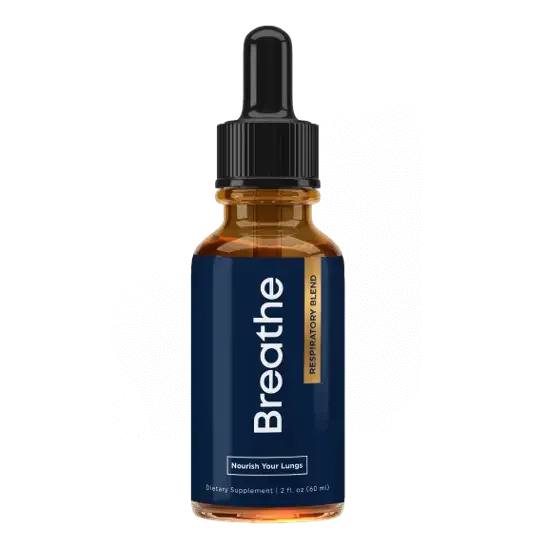 Respiratory & Lung Health
 Breathe
Breathe is a lung-support supplement marketed to help you breathe easier using antioxidants and respiratory…
Read review →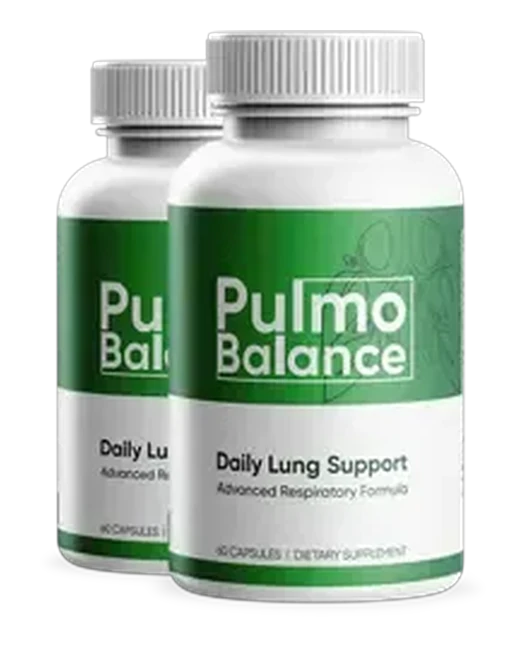 Respiratory & Lung Health
 Pulmo Balance
Pulmo Balance is a lung-and-respiratory support capsule built on traditional 'lung' botanicals — mullein, tiger milk…
Read review →Respiratory & Lung Health supplements compared
A quick side-by-side of the respiratory & lung health products we've reviewed so far. Prices and guarantees are set by sellers and change, so confirm them on the official page.
| Product | Key ingredients | Price from | Guarantee | Best for |
|---|---|---|---|---|
| Pulmo Balance | Mullein Extract, Tiger Milk Mushroom, Quercetin, Maritime Pine Bark, Bromelain | Around $49-$79 per bottle depending on the package (per vendor); often ~$49/bottle on the largest bundle | 90-day money-back guarantee (per vendor, via ClickBank) | Adults wanting general respiratory-wellness support who do not have an untreated lung condition |
Safety notes for respiratory & lung health supplements
Respiratory-support ingredients are generally well tolerated, but some (quercetin, bromelain) may mildly affect bleeding, so check with a doctor if you take blood thinners or are facing surgery. People with allergies should read the full ingredient list. Most importantly, do not use these products to delay assessment of breathing symptoms.
Who should avoid these supplements
Anyone with asthma, COPD, a respiratory infection, or persistent or worsening breathing symptoms should see a doctor rather than rely on a supplement. People on blood thinners should check the ingredients first, and pregnant or nursing women should consult a professional.
What to check before buying a respiratory & lung health supplement
- The label: are per-ingredient doses disclosed, or hidden inside a proprietary blend?
- The evidence: do the main ingredients have research behind them at the doses studied?
- Your medications: check the full ingredient list against anything you take, and ask a pharmacist if you're unsure about interactions.
- The guarantee: confirm the current refund window and terms on the official page, since they change.
- The seller: buy from the official source for a genuine, in-date product with full guarantee protection.
Related guides
Dig into the science on individual ingredients in our ingredient library, weigh products against each other on the comparison hub, or browse all health answers.
Frequently asked questions
Can a supplement treat asthma or COPD?
No. These are general respiratory-wellness products, not treatments. Asthma, COPD and other lung conditions need proper medical care and prescribed inhalers or medication — never replace those with a supplement.
How strong is the evidence?
Largely traditional or preliminary. The botanicals have soothing or antioxidant rationale, but rigorous human trials are limited and finished blends are typically untested.