Vision & Eye Health Supplements: Ingredients, Safety & Buying Guide (2026)
Vision supplements typically combine the macular carotenoids lutein and zeaxanthin with antioxidants (bilberry, astaxanthin, grape seed), zinc and vitamins. Here the evidence is more specific than most categories: the AREDS2 nutrients (lutein, zeaxanthin, zinc and certain vitamins) have real evidence for slowing progression of age-related macular degeneration in people who already have it — but supplements don't sharpen normal eyesight, replace glasses, or fix refractive error, and eye symptoms need an eye exam.
Comparing products?
Our best eye health supplements guide compares four reviewed eye formulas against the AREDS2 benchmark.
Before you compare products
Read how to compare eye health supplements against the areds2 benchmark — the label checks and evidence benchmarks that matter in this category.
On this page
What vision & eye health support means · the problems people try to solve · the best-studied ingredients · the products we've reviewed, compared · safety and who should avoid them · FAQs.
What vision & eye health support actually means
Vision and eye health is about protecting the retina and macula — the part of the eye responsible for sharp central vision — and the antioxidant defences that shield delicate eye tissue from light and oxidative stress. Supplements here usually centre on the macular carotenoids lutein and zeaxanthin plus antioxidants, zinc and vitamins. They are nutritional support for healthy adults, not a treatment for any eye disease.
Common problems people try to solve
People look for eye support over age-related changes in sharpness, eye fatigue from screens, sensitivity to glare, and worry about macular degeneration in later life. These have many causes — refractive error, dry eye, cataract, diabetes and macular degeneration among them — which is why any new, sudden or worsening vision change, or floaters and flashes, needs prompt assessment by an optometrist or ophthalmologist rather than a supplement.
What the AREDS2 evidence actually shows
The strongest evidence in this category comes from the large AREDS2 study, and it's more specific than most marketing implies. It found that a particular combination — lutein, zeaxanthin, zinc, copper and certain antioxidant vitamins — can slow the progression of existing age-related macular degeneration in people who already have it at an intermediate stage. That's a meaningful but narrow finding. It does not mean these nutrients sharpen normal eyesight, prevent macular degeneration in healthy eyes, or replace glasses — claims that go well beyond what the trial supports.
When your eyes need an exam, not a supplement
No eye supplement substitutes for an eye exam, and some symptoms are urgent. Sudden vision loss, new floaters or flashes of light, eye pain, or a curtain across your vision are potential emergencies that need same-day care. Gradual blur is usually refractive error that glasses fix, not a nutrient gap. And anyone with diabetes needs regular dilated eye exams regardless of what they take. The sensible role of a vision supplement is narrow macular support for the right person — alongside, never instead of, professional eye care.
Best-studied ingredients for vision & eye health
If you compare vision & eye health products by their ingredients rather than their marketing, a handful of well-researched names come up again and again. Here is what the evidence actually says about each.
Bilberry
Bilberry is a European relative of the blueberry, rich in antioxidant anthocyanins. It is marketed heavily for eye and vision heal…
Read guide →IngredientZinc
Zinc is an essential mineral vital for immune function, wound healing, taste, smell and many enzymes. Zinc lozenges may modestly s…
Read guide →IngredientGrape Seed Extract
Grape seed extract is rich in antioxidant proanthocyanidins. Its best-supported effect is a modest reduction in blood pressure in …
Read guide →IngredientTaurine
Taurine is an amino acid involved in heart, muscle and nervous-system function. It's very safe and has some evidence in heart fail…
Read guide →Products we've reviewed in this category
 Vision & Eye Health
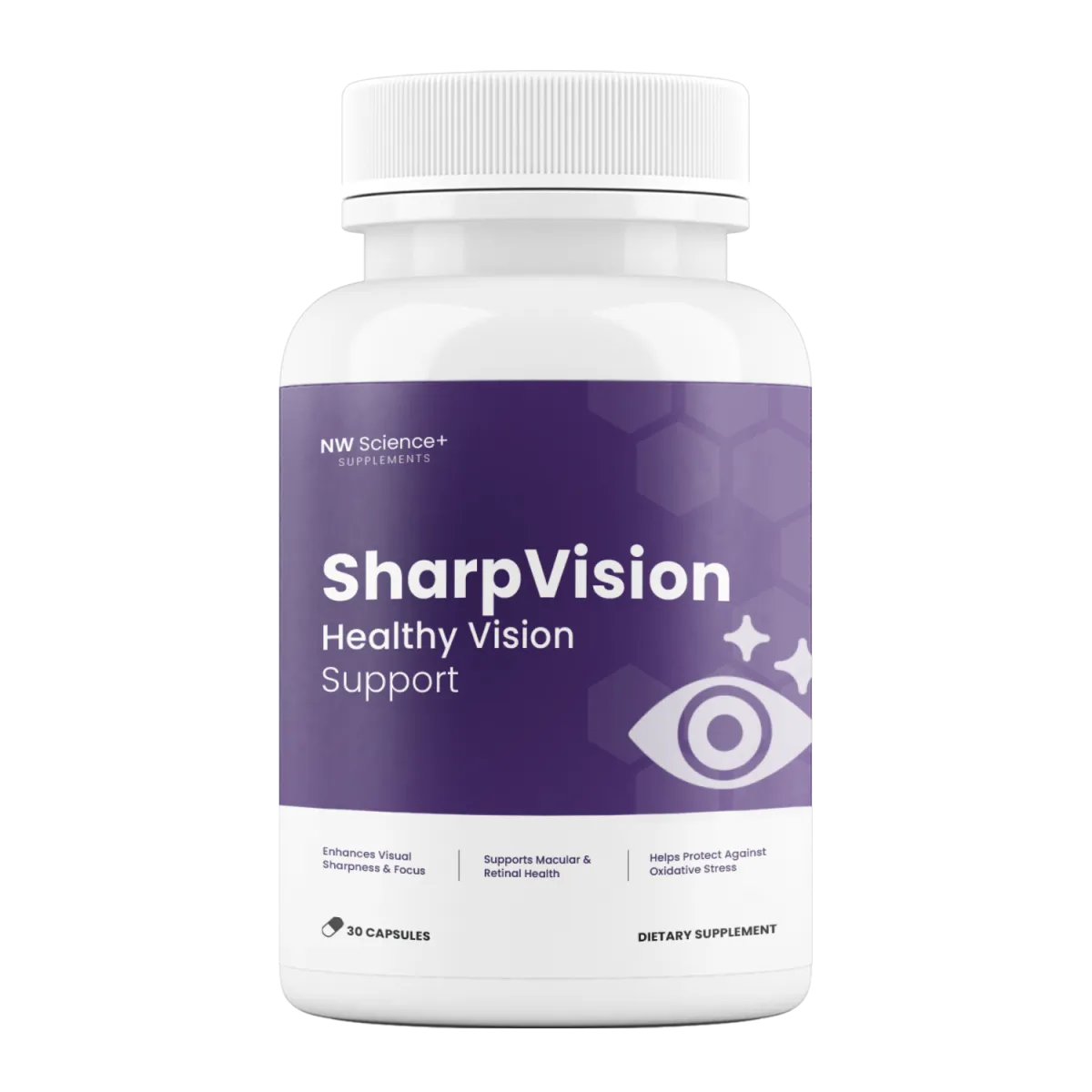
SharpVision
The practical point is simple: SharpVision is an eye-health supplement marketed to support vision using antioxidant nutrients of the kind found in eye formulas — lutein,…
Read guide → Vision & Eye Health
VisiFlora
Strip away the sales language and the question becomes straightforward: VisiFlora is a 22-in-1 vision formula whose genuinely useful core is the macular carotenoids lutein…
Read guide →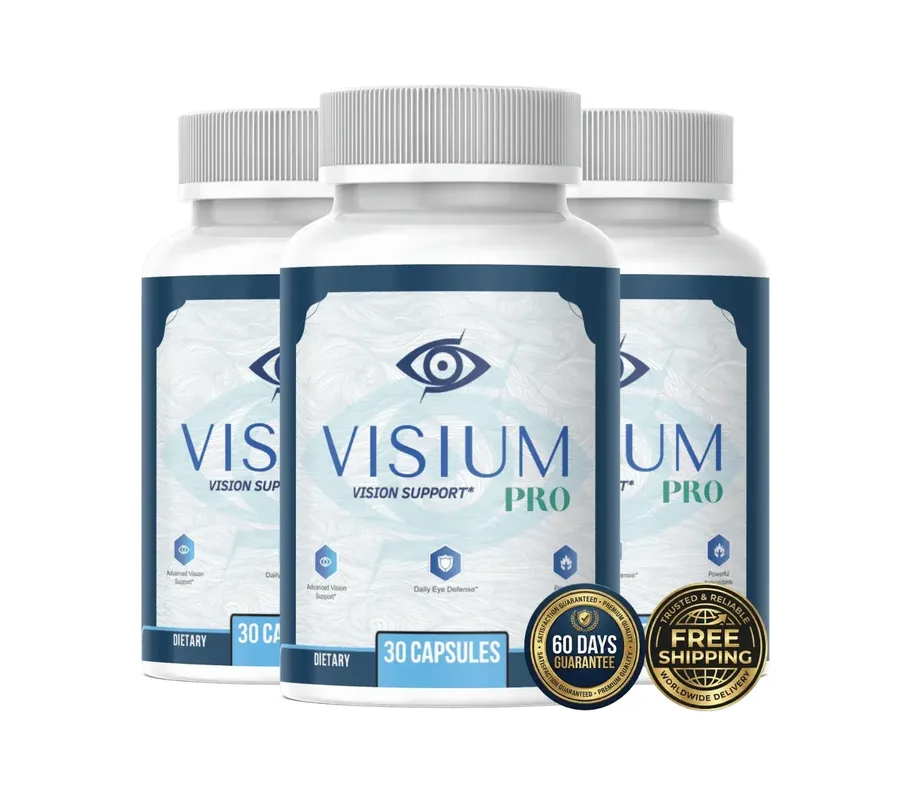 Vision & Eye Health
Visium Pro
Visium Pro is an eye-health capsule built around lutein, zeaxanthin, bilberry and antioxidant vitamins. This is one of the few supplement categories with a genuine, large,…
Read guide →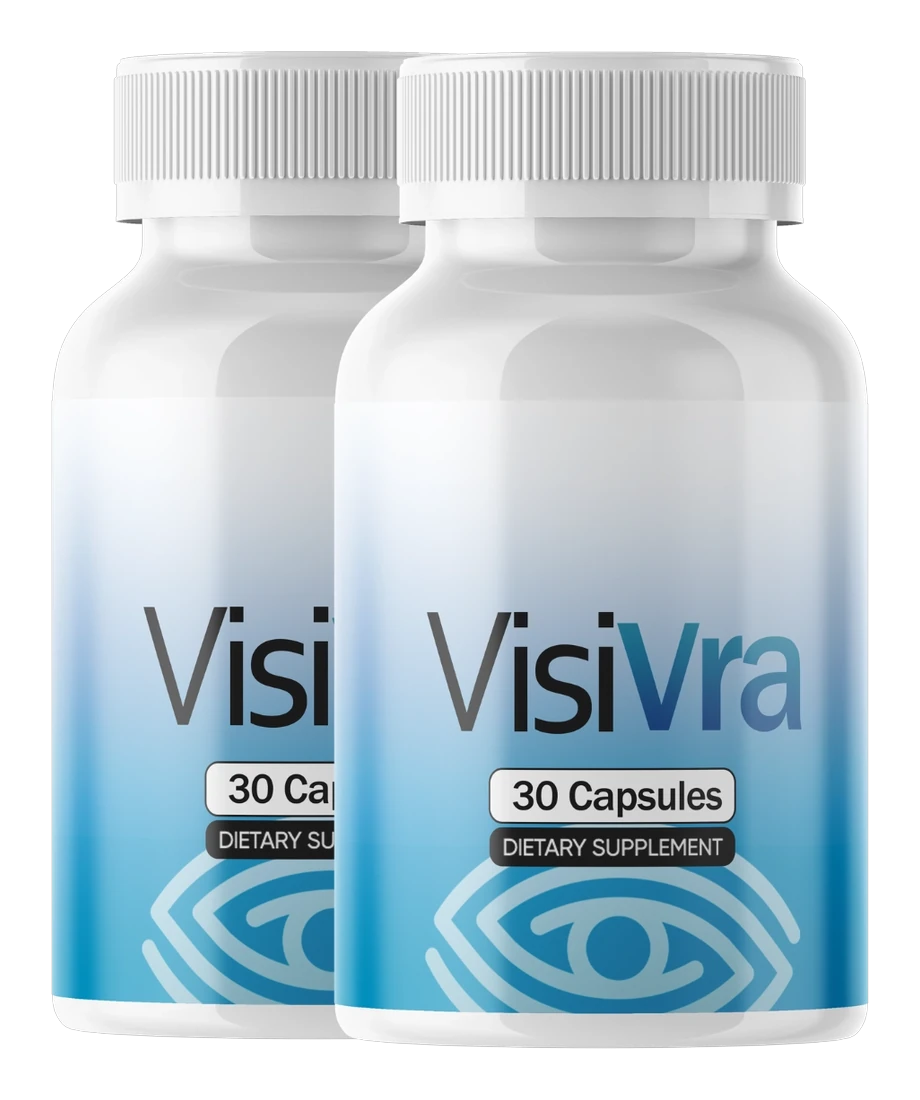 Vision & Eye Health
Visivra
Visivra is an eye-health capsule built around the macular carotenoids lutein and zeaxanthin plus bilberry, astaxanthin, zinc and vitamin A. Its core (lutein, zeaxanthin,…
Read guide →Vision & Eye Health supplements compared
A quick side-by-side of the vision & eye health products we've reviewed so far. Prices and guarantees are set by sellers and change, so confirm them on the official page.
| Product | Key ingredients | Price from | Guarantee | Best for |
|---|---|---|---|---|
| VisiFlora | Lutein & Zeaxanthin, Zinc, Bilberry | Around $49-$69 per bottle depending on the package (per vendor) | 60-day money-back guarantee (per vendor) | Adults wanting macular-carotenoid eye support alongside an eye exam |
Safety notes for vision & eye health supplements
Most eye nutrients are well tolerated, but a few cautions matter. High-dose zinc over time can cause copper deficiency and is why AREDS2 lowered its zinc dose; beta-carotene (in the original AREDS) raised lung-cancer risk in smokers and was removed; and concentrated antioxidant blends can interact with some medications. Doses in proprietary eye blends are often undisclosed.
Who should avoid these supplements
Smokers should avoid beta-carotene-containing eye formulas, and anyone on medication should check high-dose zinc with a doctor. Most importantly, sudden vision loss, new floaters or flashes, or eye pain are potential emergencies that need urgent eye care, not a supplement.
What to check before buying a vision & eye health supplement
- The label: are per-ingredient doses disclosed, or hidden inside a proprietary blend?
- The evidence: do the main ingredients have research behind them at the doses studied?
- Your medications: check the full ingredient list against anything you take, and ask a pharmacist if you're unsure about interactions.
- The guarantee: confirm the current refund window and terms on the official page, since they change.
- The seller: buy from the official source for a genuine, in-date product with full guarantee protection.
Vision & Eye Health: health answers & guides
Background reading that helps you make sense of vision & eye health supplements before you buy.
What to check before buying a prostate supplement
Prostate supplements are popular with older men, but the evidence is mixed and the claims can mislead. Here's what to ch…
Read →Health answerBest ingredients for prostate health
Which prostate-supplement ingredients have real evidence for urinary symptoms — and which are mostly marketing.…
Read →Health answerCan supplements support hearing health?
The honest evidence on hearing and tinnitus supplements — why it's weak, and what actually helps.…
Read →Health answerBest vitamins and ingredients for eye health
Which eye nutrients have real evidence — the AREDS2 core — and what supplements can't do for your vision.…
Read →Health answerBest ingredients for skin and anti-aging
Which skin supplements have real evidence — collagen, antioxidants, vitamin C — and the one factor that beats them all.…
Read →Health answerHow to compare men's vitality supplements safely
How to judge men's vitality and 'testosterone' supplements — and the safety issue that defines the category.…
Read →Related guides
Dig into the science on individual ingredients in our ingredient library, weigh products against each other on the comparison hub, or browse all health answers.
Frequently asked questions
Do eye vitamins improve eyesight?
Not in the everyday sense. The AREDS2 nutrients can slow progression of existing age-related macular degeneration, but supplements don't sharpen normal vision or replace glasses. New or changing vision needs an eye exam.
Are lutein and zeaxanthin worth it?
They're the best-evidenced eye nutrients, concentrated in the macula and studied in AREDS2. They support macular health rather than dramatically improving sight, so keep expectations realistic.
Do vision supplements actually work?
The AREDS2 nutrients (lutein, zeaxanthin, zinc and certain vitamins) have evidence for slowing existing age-related macular degeneration. Beyond that specific use, supplements don't sharpen normal eyesight or replace glasses.
When should I see an eye doctor instead?
Promptly for any sudden or worsening vision change, new floaters or flashes, eye pain, or if you have diabetes — these need an eye exam, not a supplement.