HealthyHeart Support+ vs A standalone coq10 supplement: Which Should You Buy? (2026)
A side-by-side look at HealthyHeart Support+ and a standalone CoQ10 supplement — formula, evidence, safety, price and who each actually suits. No affiliate links appear on our comparison pages.
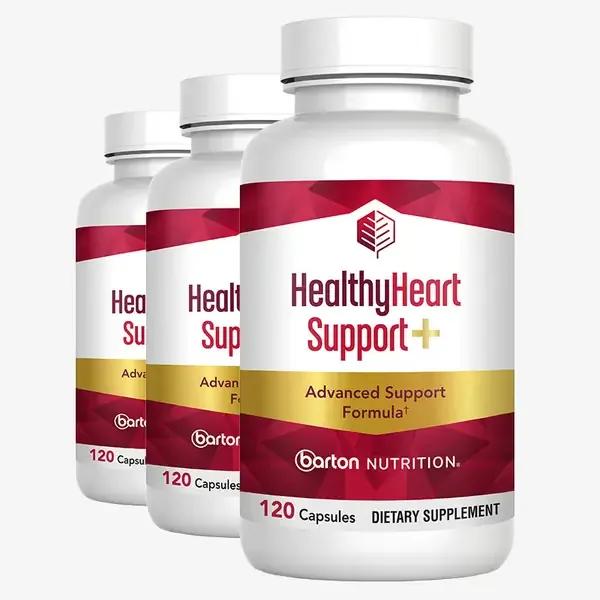
Quick verdict
If CoQ10 is what you actually want — for statin-associated muscle symptoms, say — buying it alone is cheaper, verifiable and lets you take a study dose. HealthyHeart Support+ makes more sense if you want the beetroot and magnesium components too and are content with a fixed six-ingredient combination.
Neither is a treatment for any condition. If you take medication or have a health condition, check with a doctor before choosing either.
Side-by-side comparison
| Feature | HealthyHeart Support+ | a standalone CoQ10 supplement |
|---|---|---|
| Ingredients | CoQ10, beetroot, magnesium, olive leaf, L-carnitine, ashwagandha | CoQ10 only, usually ubiquinone or ubiquinol |
| Dose control | Fixed ratio across six ingredients at a four-capsule serving | You choose — trials use 100–300 mg |
| Verifiability | Six named ingredients, but you must check each amount | One number to check |
| Cost | Higher, for the combination | Generally lower per milligram of CoQ10 |
| Best for | Someone wanting blood-pressure and cellular-energy support in one product | Someone with a specific CoQ10 reason — statins, heart failure under medical care |
Where the combination earns its place
HealthyHeart Support+ is better constructed than most cardiovascular blends: six ingredients, all named, all with a defensible reason to be there. Beetroot has consistent if modest blood-pressure data. Magnesium helps where someone is short of it. CoQ10 has its strongest case in statin users and heart failure. The four-capsule serving suggests the doses are not trivial — though you should still confirm the panel.
Where buying separately wins
If your reason for taking anything is CoQ10 specifically, a standalone product lets you take the 100–300 mg used in trials, choose ubiquinol if you are over 50, and pay less. The same logic applies to magnesium glycinate and to beetroot with a stated nitrate content. Three single-ingredient products cost less than most combinations and let you change one variable at a time.
The interaction that applies either way
CoQ10 is structurally similar to vitamin K and can reduce warfarin's effect. Whichever route you take, tell whoever monitors your INR. And neither replaces an antihypertensive or a statin — beetroot's measured effect is a few mmHg, against 30–50% LDL reduction from a moderate statin dose.
Frequently asked questions
Should I take CoQ10 if I'm on a statin?
It is the scenario with the strongest rationale, since statins lower CoQ10. Whether supplementing relieves muscle symptoms is genuinely unresolved — trials go both ways. Raise it with your GP rather than starting alone.
Ubiquinone or ubiquinol?
Ubiquinol is better absorbed, particularly over 50. Either should be taken with a fat-containing meal.
Can this replace my blood pressure medication?
No. Stopping an antihypertensive without supervision risks a rebound rise, stroke and cardiac events. Any medication change is a decision for your doctor.
Related on FactoWiki
General information, not medical advice. FactoWiki does not place affiliate links on comparison pages.