Brain Savior Review 2026: Memory Support, Formula & Evidence
Brain Savior is a stimulant-free nootropic from Mindful Wellness combining 12 ingredients: citicoline, Bacopa monnieri, Lion's Mane, L-theanine, L-tyrosine, Rhodiola rosea, phosphatidylserine, maritime pine bark, Ginkgo biloba, and vitamins B6, B9 and B12. It is a better-constructed formula than most in this category — the open question is dosing.
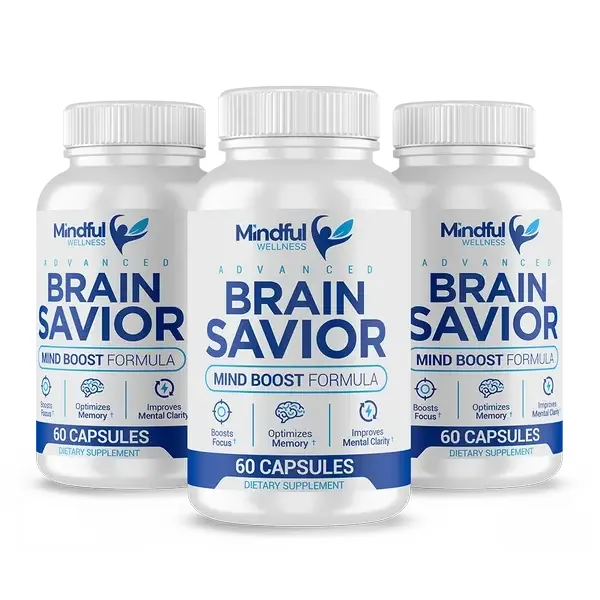
Judged on ingredient selection, Brain Savior is above average for a direct-response nootropic. Citicoline, Bacopa and phosphatidylserine all have genuine human cognitive data behind them, and the B-vitamin inclusion is defensible given the homocysteine literature in older adults. The catch is the one that applies to every 12-ingredient blend: citicoline is studied at 250–500 mg, Bacopa at 300 mg, and phosphatidylserine at 100–300 mg. Three ingredients at study doses would consume most of a capsule before the other nine are added. Without a fully disclosed panel, you cannot tell whether you are buying three effective ingredients or twelve decorative ones.
The short version
- What it is built on: Bacopa Monnieri, Caffeine, Citicoline — the listed ingredients with the most human research behind them; ingredient studies do not test this finished product.
- What it can realistically do: modest gains in focus and recall that build over weeks. The plausible outcome for cognitive support is modest gains in focus and recall that build over weeks, built over weeks.
- What it costs you to find out: a single bottle, inside a 60-day money-back window. Check who pays return postage and whether opened bottles qualify before you order. Whether opened bottles qualify is the clause that decides if this is usable.
- How you will know: anything you would notice yourself — word recall, focus through the afternoon, mental fatigue. Set a review date eight weeks out and decide honestly. The plausible outcome for cognitive support is modest gains in focus and recall that build over weeks, built over weeks.
Should you buy Brain Savior?
Consider it if: you have already addressed sleep quality, cardiovascular health, hearing, physical activity and mental engagement, you can read the full Supplement Facts panel before ordering, and you accept that the realistic outcome is modest gains in focus and recall that build over weeks.
Get advice first if: this describes you — anyone on warfarin or another anticoagulant (Ginkgo), anyone taking psychiatric medication without clearance, and anyone whose memory concern is new, worsening or noticed by family rather than by themselves. Otherwise the usual cautions apply.
Affiliate link — FactoWiki may earn a commission at no extra cost to you. See our disclosure.
This is a desk-based buying guide, not a hands-on product test or a clinical review. No named medical reviewer is credited. Read our editorial policy.
What is in Brain Savior, and which parts hold up
The three with real evidence
Citicoline has randomised data on attention and memory in healthy adults at 250–500 mg. Bacopa monnieri shows modest memory improvements over 8–12 weeks at 300 mg standardised extract. Phosphatidylserine has the longest track record of the three, with an FDA-permitted qualified health claim that is deliberately hedged.
The plausible middle
L-theanine reliably produces calm alertness, though usually paired with caffeine — which this formula does not contain. Rhodiola has reasonable anti-fatigue data. Lion's Mane is promising and under-evidenced in humans. The B-vitamins matter if you are deficient and do very little if you are not.
The weakest inclusions
Ginkgo biloba failed to prevent cognitive decline in the large GEM trial. L-tyrosine helps under acute stress or sleep deprivation, not in everyday use. Maritime pine bark is a reasonable antioxidant with thin cognitive evidence.
Stimulant content and what you can feel
Brain Savior is stimulant-free — no caffeine, no theacrine, no theobromine. That is a genuine point in its favour, and it also means you should not expect anything you can feel within an hour of taking it.
Evidence and buying assessment
| Review area | Assessment | What it means |
|---|---|---|
| Ingredient evidence | Qualitative review | The evidence discussed below concerns the named ingredients. It does not by itself verify this exact finished product. |
| Label transparency | Check the current panel | Use the formula and dose limitations in this review, then compare them with the bottle offered by the seller. |
| Safety | Individual assessment needed | Read the product-specific cautions below. The presence of warnings is not a numerical measure of safety. |
| Price/value | Not numerically rated | Compare the delivered cost, serving count, alternatives and current refund conditions before buying. |
Safety, interactions and who should avoid Brain Savior
Medication & safety check
The interaction that matters most here is interactions with psychiatric, anticoagulant or seizure medication. Take the full label to a pharmacist if you use prescription medication regularly.
Brain Savior is not a replacement for sleep, exercise, hearing checks, medical evaluation or professional advice. Anyone pregnant, breastfeeding, or managing a diagnosed condition should speak to your GP or a neurologist before starting.
General information, not personal medical advice.
Price, packages and refunds
Pricing on offers of this type moves, so treat any figure quoted here as a snapshot and read the live order page. The number worth calculating is delivered cost per day, not the headline per-bottle price. Before paying, check the final summary for pre-ticked extras and recurring-billing wording, and save both the receipt and the refund terms as displayed on your order date. The smallest package is the cheaper way to find out whether it suits you.
On the guarantee: read the return conditions rather than the badge. The clauses that decide whether a refund is realistic are whether opened containers qualify, who pays return postage, and whether the window starts at order or delivery. Return postage at your own cost is normal here; factor it in.
Before you order: confirm the Brain Savior package, the amount actually charged and the written return conditions on the final screen — then keep a copy of both. Weigh that total against what cognitive support realistically delivers: modest gains in focus and recall that build over weeks.
Check today’s Brain Savior price and package optionsAffiliate notice: FactoWiki may earn a commission from a qualifying Brain Savior purchase at no additional cost to you.
How to trial it properly
Decide before you start what would count as Brain Savior working, and how you would check it — for this category that means anything you would notice yourself — word recall, focus through the afternoon, mental fatigue. Take the labelled serving, keep the rest of your routine stable for the trial period, and set a review date at eight weeks. Open-ended use with no criteria is how people spend years on something inert.
Frequently asked questions
Is Brain Savior worth buying?
Judged on ingredient selection, Brain Savior is above average for a direct-response nootropic.
What is actually in Brain Savior?
Citicoline has randomised data on attention and memory in healthy adults at 250–500 mg. Bacopa monnieri shows modest memory improvements over 8–12 weeks at 300 mg standardised extract. Phosphatidylserine has the longest track record of the three, with an FDA-permitted qualified health claim that is deliberately hedged.
Can Brain Savior cause side effects?
Yes. The realistic risk profile for Brain Savior is mild and gastrointestinal for most people, with interactions with psychiatric, anticoagulant or seizure medication as the serious end of the range.
Can I take Brain Savior with medication?
Only after a pharmacist clears it. Take the Brain Savior panel with you. interactions with psychiatric, anticoagulant or seizure medication is the interaction worth naming.
Is Brain Savior FDA approved?
No. “FDA-registered facility” means the site filed paperwork. It is not an inspection result and not an endorsement of Brain Savior.
How long would Brain Savior take to show anything?
Judge it over at least eight weeks, using anything you would notice yourself — word recall, focus through the afternoon, mental fatigue rather than day-to-day impressions. Anything you notice in the first few days is more likely expectation than effect.
Is Brain Savior better than a single citicoline supplement?
Probably not, and possibly worse. A standalone citicoline product delivers a verifiable 250–500 mg. A 12-ingredient blend at an undisclosed split may deliver a fraction of that. If citicoline is what you want, buying it directly is cheaper and checkable.
How long before Brain Savior would show anything?
The Bacopa evidence runs over 8–12 weeks, and citicoline trials over 4–12. If you are going to trial it, commit to at least eight weeks and decide in advance what you are measuring.
Related on FactoWiki
- Brain & Memory Support — the full category
- How we review products
- Ingredient evidence guides
- Product comparisons
This review is general information, not medical advice. Always check with a qualified healthcare professional about your own situation.