Hair & Scalp Health Supplements: Ingredients, Safety & Buying Guide (2026)
Hair supplements sell well because hair loss is distressing and the causes are invisible without testing. The useful framing is that hair loss has distinct types with distinct answers: pattern loss responds to minoxidil and finasteride and not to supplements; stress-related shedding resolves by itself in 3–6 months; and deficiency-driven loss responds genuinely to correcting the deficiency. A ferritin, vitamin D and thyroid panel tells you which you have, and costs less than a course of capsules.
Comparing products?
Our hair health supplements guide compares what the evidence supports for hair supplements and what to check on a label.
On this page
What hair & scalp health support means · the problems people try to solve · the red flags · the best-studied ingredients · the products we've reviewed · safety and who should avoid them · FAQs.
What hair & scalp health support actually means
A hair supplement can supply the raw materials for hair growth — iron, protein, zinc, biotin, vitamin D — and correct a shortfall where one exists. That is the whole mechanism. It cannot change follicular sensitivity to DHT, which is what drives pattern baldness, and it cannot restore follicles that have already miniaturised and stopped producing.
Common problems people try to solve
Thinning at the crown or a widening part suggests androgenetic alopecia. Diffuse shedding two to three months after illness, childbirth, surgery or rapid weight loss suggests telogen effluvium, which recovers on its own. Sudden round patches suggest alopecia areata, an autoimmune condition. Each has a different answer and only one of them involves a supplement.
The claims that should stop you buying
Claims of regrowing hair on a bald scalp, reversing genetic hair loss, or working within weeks. Hair grows about 1 cm a month and the growth cycle means any real change takes 3–6 months to become visible — so before-and-after photographs taken weeks apart are either lighting, styling, or not the same person.
When this needs a doctor, not a supplement
Sudden patchy loss, loss with scalp scaling, redness, pain or scarring, hair loss alongside fatigue or weight change, or any loss in a child all warrant a doctor. Scarring alopecias destroy follicles permanently and are time-sensitive.
Best-studied ingredients for hair & scalp health
Compare products in this category by ingredient rather than by marketing and the same names recur. Here is what the evidence says about each.
Biotin
Biotin is the vitamin behind countless hair, skin and nail supplements — but there's little evidence it helps anyone who isn't deficient…
Read guide →IngredientIron
Iron is an essential mineral the body uses to carry oxygen in the blood. Supplements clearly help when you are iron-deficient — improving anemia and…
Read guide →IngredientVitamin D
Vitamin D is essential for bones and plays a role in immunity. Deficiency is common, and supplementing clearly helps if you are low — but large…
Read guide →IngredientZinc
Zinc is an essential mineral vital for immune function, wound healing, taste, smell and many enzymes. Zinc lozenges may modestly shorten a cold, but…
Read guide →IngredientCollagen
Collagen peptides are the most popular skin and joint supplement. There is some genuine trial evidence for modest improvements in skin hydration and…
Read guide →IngredientSaw Palmetto
Saw palmetto is the most popular herbal supplement for prostate-related urinary symptoms. However, the largest, most rigorous trials found it worked…
Read guide →Products we've reviewed in this category
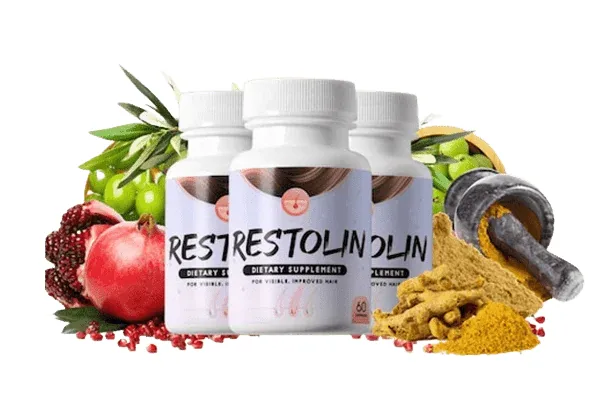
Hair & Scalp Health supplements compared
A side-by-side of what we've reviewed so far. Sellers set prices and guarantees and change them, so confirm on the official page.
| Product | Key ingredients | Price from | Guarantee | Best for |
|---|
Safety notes for hair & scalp health supplements
Medication & safety check
The interaction that matters most in this category is high-dose biotin interfering with troponin and thyroid blood tests — a documented clinical safety issue. Take the full label to a pharmacist if you take anything regularly.
These products are not a replacement for a diagnosis of the loss pattern, minoxidil or finasteride where appropriate, or dermatological advice.
General information, not personal medical advice.
Who should avoid these supplements
Take advice from a dermatologist or trichologist before starting if any of this applies: anyone taking high-dose biotin who has blood tests scheduled — it interferes with troponin and thyroid assays and the FDA has issued a safety communication — anyone with a scarring or inflammatory scalp condition, and anyone taking iron without a confirmed deficiency, since excess iron is harmful.
What to check before buying
Look for whether biotin is present and at what dose, whether iron is included (it should not be unless you are deficient), whether the product makes a regrowth claim, and whether it names saw palmetto as a DHT solution, which is far weaker than the prescription options. Then work out the delivered cost per day and read the refund terms rather than the guarantee badge.
Frequently asked questions
Do hair & scalp health supplements actually work?
Some ingredients do, modestly, in the right person. It cannot change follicular sensitivity to DHT, which is what drives pattern baldness, and it cannot restore follicles that have already miniaturised and stopped producing.
Can these replace prescribed medication?
No. Claims of regrowing hair on a bald scalp, reversing genetic hair loss, or working within weeks.
What should I check on the label?
Look for whether biotin is present and at what dose, whether iron is included (it should not be unless you are deficient), whether the product makes a regrowth claim, and whether it names saw palmetto as a DHT solution, which is far weaker than the prescription options.
Who should avoid them?
Take advice first if this describes you: anyone taking high-dose biotin who has blood tests scheduled — it interferes with troponin and thyroid assays and the FDA has issued a safety communication — anyone with a scarring or inflammatory scalp condition, and anyone taking iron without a confirmed deficiency, since excess iron is harmful.
Related guides
General information, not medical advice. FactoWiki may earn a commission from links on product review pages, never on comparisons.