Immune & Whole-Body Wellness Supplements: Ingredients, Safety & Buying Guide (2026)
Immune and general-wellness formulas — greens powders, multi-mushroom blends, high-dose vitamin C and zinc stacks — sit in the widest and least testable part of the supplement market. Correcting a real deficiency (vitamin D, zinc, or a diet with almost no vegetables) can genuinely matter. Beyond that, the honest position is that ‘boosting’ an immune system that is already working is not a coherent goal, and no supplement prevents or treats a specific infection.
On this page
What immune & whole-body wellness support means · the problems people try to solve · the red flags · the best-studied ingredients · the products we've reviewed · safety and who should avoid them · FAQs.
What immune & whole-body wellness support actually means
Immune support means one of two very different things. Filling a nutritional gap — vitamin D in winter, zinc in someone deficient, vegetables for someone who eats none — has real effects on immune function. Stimulating an immune system that is functioning normally does not, and would not be desirable if it did. Most products in this category are sold on the second idea while only being able to deliver the first.
Common problems people try to solve
People buy these after a run of colds, during a stressful period, or because they know their diet is poor. Recurrent infection that is genuinely unusual — several bouts of pneumonia, persistent thrush, wounds that will not heal — is a medical investigation, not a shopping decision.
The claims that should stop you buying
Any page connecting a supplement to a named infection — herpes, shingles, flu, COVID — is describing an unapproved drug claim. That is the clearest single red flag in this category, and it is common. Also be wary of very high ingredient counts, which usually mean each ingredient is present in trace amounts.
When this needs a doctor, not a supplement
Fever that persists beyond a few days, unexplained weight loss, night sweats, swollen lymph nodes that do not settle, or infections that keep recurring in the same place all warrant a GP appointment rather than a stronger greens powder.
Best-studied ingredients for immune & whole-body wellness
Compare products in this category by ingredient rather than by marketing and the same names recur. Here is what the evidence says about each.
Vitamin D
Vitamin D is essential for bones and plays a role in immunity. Deficiency is common, and supplementing clearly helps if you are low — but large…
Read guide →IngredientZinc
Zinc is an essential mineral vital for immune function, wound healing, taste, smell and many enzymes. Zinc lozenges may modestly shorten a cold, but…
Read guide →IngredientQuercetin
Quercetin is a plant antioxidant flavonoid marketed for allergies, immunity and blood pressure. The human evidence is mostly preliminary, and its…
Read guide →IngredientElderberry
Elderberry is a dark, antioxidant-rich berry popular for colds and flu. Small studies hint it may shorten symptoms, but the evidence is limited — and…
Read guide →IngredientReishi Mushroom
Reishi (Ganoderma lucidum) is a medicinal mushroom traditionally used for immunity and longevity. Despite huge popularity, a GRADE-assessed…
Read guide →IngredientVitamin C
Vitamin C is an essential antioxidant nutrient needed for immunity, collagen and iron absorption. For colds, regular intake may slightly shorten…
Read guide →Products we've reviewed in this category
 Immune & Whole-Body Wellness
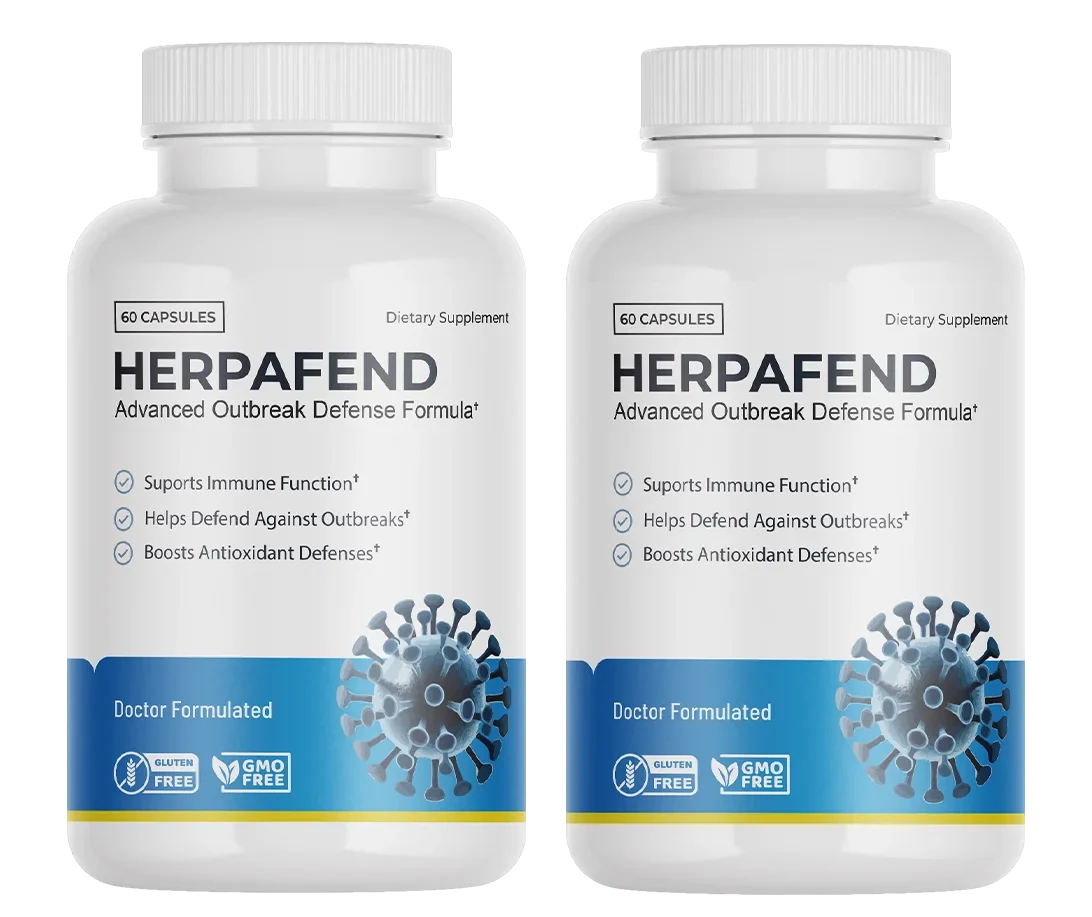
Herpafend
Herpafend is sold as an immune-support supplement with marketing aimed at people concerned about herpes outbreaks. The central buying question is whether evidence supports…
Read guide →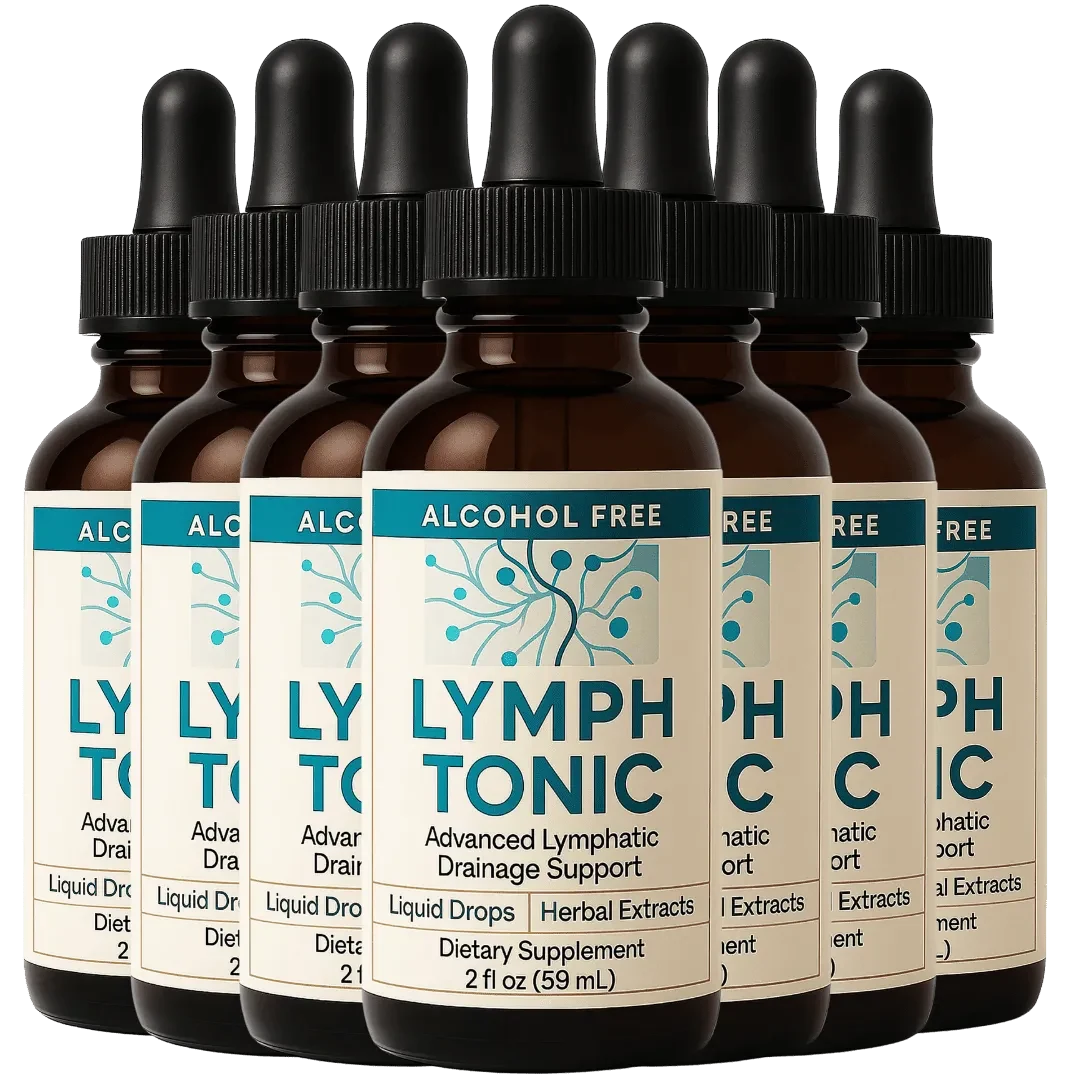 Immune & Whole-Body Wellness
Lymph Tonic
Lymph Tonic is sold using lymphatic-drainage and swelling claims. Those claims need careful scrutiny because swelling can have several causes and different online…
Read guide →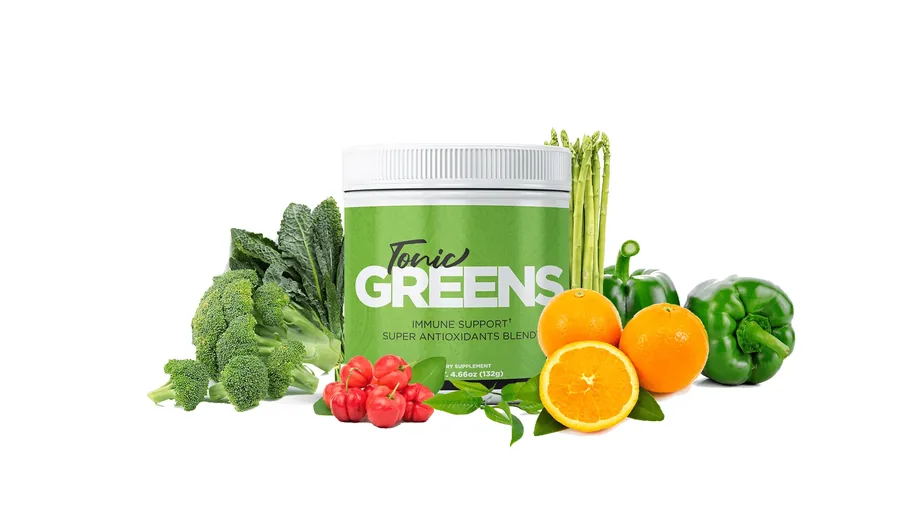 Immune & Whole-Body Wellness
Tonic Greens
Tonic Greens is a powdered 6-in-1 greens formula built around quercetin sources, resveratrol, curcumin, mushrooms, probiotics and cold-pressed fruit — advertised at over 57…
Read guide →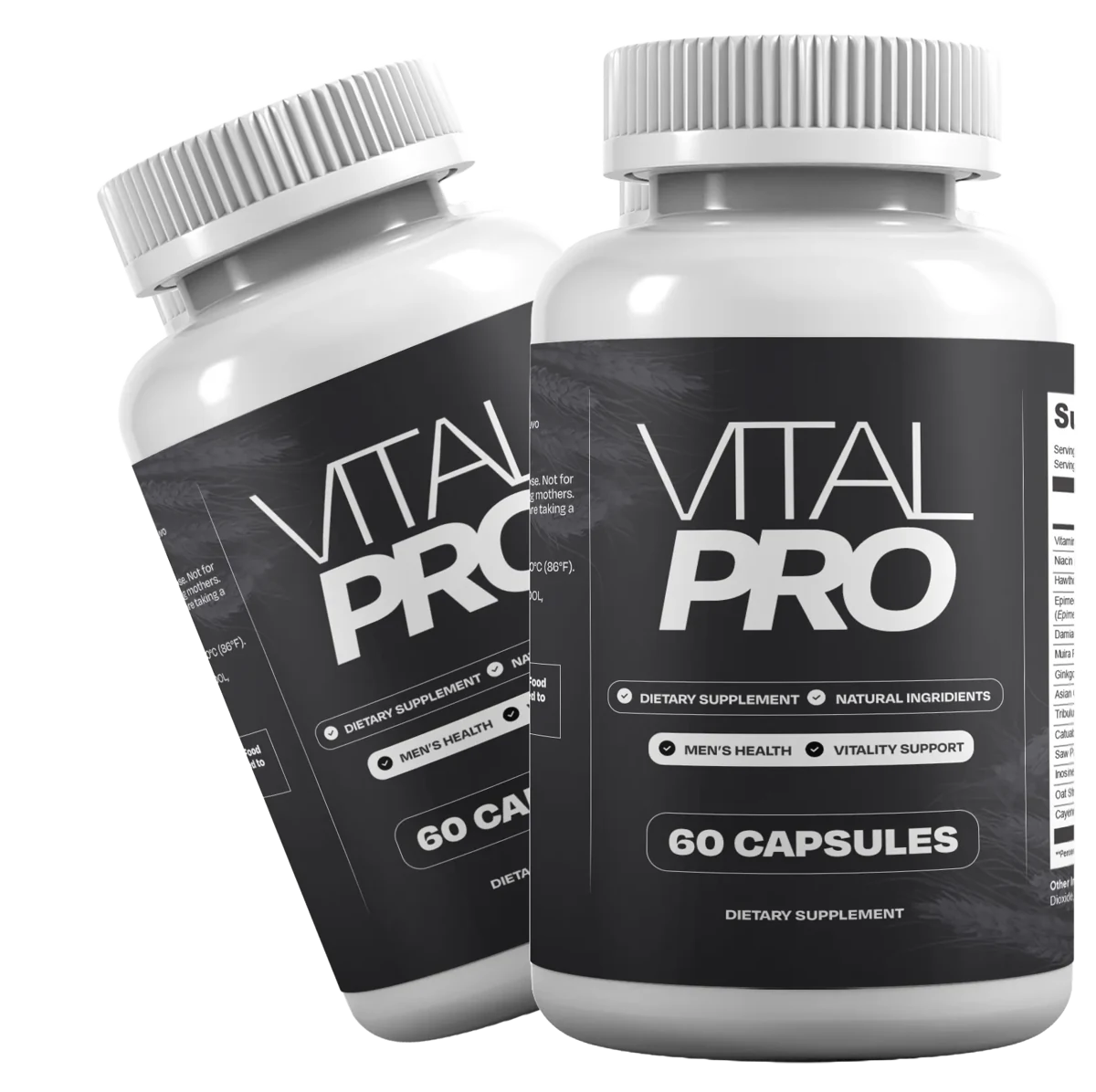 Immune & Whole-Body Wellness
VitalPro
The supplied product image identifies VitalPro packaging. This buying guide reviews its marketed purpose, evidence limits, safety questions and purchase considerations. A full current label is needed to confirm ingredients and serving instructions.
Read guide →Immune & Whole-Body Wellness supplements compared
A side-by-side of what we've reviewed so far. Sellers set prices and guarantees and change them, so confirm on the official page.
| Product | Key ingredients | Price from | Guarantee | Best for |
|---|---|---|---|---|
| Tonic Greens | Quercetin sources, resveratrol group, curcumin, reishi/shiitake/maitake, pre- and probiotics, spirulina, beetroot | Roughly $79 single jar, less per jar on bundles | 60-day money-back guarantee (per vendor) | Adults with low vegetable intake wanting a convenient polyphenol and micronutrient top-up |
Safety notes for immune & whole-body wellness supplements
Medication & safety check
The interaction that matters most in this category is vitamin K content interfering with warfarin, and live probiotic strains in immunocompromised people. Take the full label to a pharmacist if you take anything regularly.
These products are not a replacement for a varied diet, vaccination, investigation of recurrent infection or professional advice.
General information, not personal medical advice.
Who should avoid these supplements
Take advice from your GP before starting if any of this applies: anyone taking warfarin (vitamin K in greens blends interferes directly with it), anyone immunocompromised or on immunosuppressants (live probiotic strains and immune-stimulating mushrooms both carry real concerns), anyone with an autoimmune condition, and anyone buying on the strength of claims about a named infection.
What to check before buying
Look for whether the per-ingredient amount is disclosed or only the blend total, whether the vitamin K content is stated if you take an anticoagulant, whether live strains are named individually, and whether any page copy makes a claim about a specific illness. Then work out the delivered cost per day and read the refund terms rather than the guarantee badge.
Frequently asked questions
Do immune & whole-body wellness supplements actually work?
Some ingredients do, modestly, in the right person. Most products in this category are sold on the second idea while only being able to deliver the first.
Can these replace prescribed medication?
No. Any page connecting a supplement to a named infection — herpes, shingles, flu, COVID — is describing an unapproved drug claim.
What should I check on the label?
Look for whether the per-ingredient amount is disclosed or only the blend total, whether the vitamin K content is stated if you take an anticoagulant, whether live strains are named individually, and whether any page copy makes a claim about a specific illness.
Who should avoid them?
Take advice first if this describes you: anyone taking warfarin (vitamin K in greens blends interferes directly with it), anyone immunocompromised or on immunosuppressants (live probiotic strains and immune-stimulating mushrooms both carry real concerns), anyone with an autoimmune condition, and anyone buying on the strength of claims about a named infection.
Related guides
General information, not medical advice. FactoWiki may earn a commission from links on product review pages, never on comparisons.