FortBite Review 2026: Tooth Powder, Fluoride & Safety
FortBite is a powdered tooth cleaner rather than a capsule — an 11-ingredient blend of bentonite clay, kaolin clay, calcium carbonate, Ceylon cinnamon, clove, ginger, peppermint, lemon peel, myrrh, stevia and xylitol, used in place of toothpaste. The two questions that matter are abrasivity and fluoride, and the marketing addresses neither.
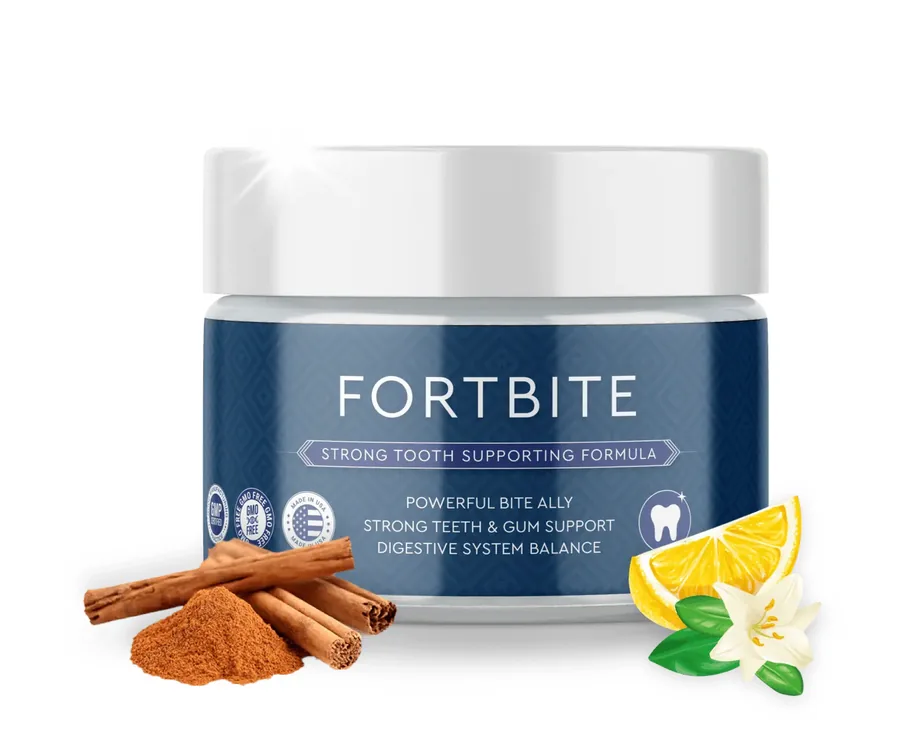
FortBite is unusual in this category because it is a genuine dentifrice, not a supplement, and several of its ingredients are defensible: xylitol has real anti-caries evidence, clove's eugenol is a long-established dental antiseptic, and myrrh has traditional use in gum care. Two things should give a buyer pause. First, it contains no fluoride — the single most evidence-backed ingredient in oral care — so switching to it from a fluoride toothpaste means giving up proven caries protection. Second, the abrasivity of a clay and calcium carbonate powder is not published as an RDA value, and abrasive powders used twice daily can wear enamel and expose dentine over time. The Viking-ritual origin story and the stomach-acid mechanism are marketing rather than dentistry.
The short version
- What it is built on: Calcium, Xylitol — the listed ingredients with the most human research behind them; ingredient studies do not test this finished product.
- What it can realistically do: a plausible small effect on gum inflammation and breath, alongside — never instead of — brushing. Set the review date before you start, and keep to it.
- What it costs you to find out: a single bottle, inside a 60-day money-back window. Check who pays return postage and whether opened bottles qualify before you order. Save the terms as displayed on your order date — wording gets edited.
- How you will know: gum bleeding on brushing, pocket depths at your next dental visit, and breath. Set a review date eight weeks out and decide honestly. It only has room to help once brushing technique, interdental cleaning, sugar frequency, saliva flow and professional cleaning are already being handled.
Should you buy FortBite?
Consider it if: you have already addressed brushing technique, interdental cleaning, sugar frequency, saliva flow and professional cleaning, you can read the full Supplement Facts panel before ordering, and you accept that the realistic outcome is a plausible small effect on gum inflammation and breath, alongside — never instead of — brushing.
Skip it if: this describes you — anyone with a history of tooth decay, receding gums or exposed dentine, anyone with existing enamel erosion, children, and anyone with braces or other orthodontic appliances. None of that makes it dangerous for everyone; it makes it a question for your dentist or hygienist. None of that makes it dangerous for everyone; it makes it a question for your dentist or hygienist.
Affiliate link — FactoWiki may earn a commission at no extra cost to you. See our disclosure.
This is a desk-based buying guide, not a hands-on product test or a clinical review. No named medical reviewer is credited. Read our editorial policy.
The 11 ingredients, and which ones earn their place
The abrasive base — bentonite clay, kaolin clay, calcium carbonate
These do the mechanical cleaning and provide the surface-stain removal that makes teeth look brighter. They are also the reason to be cautious: no RDA (relative dentine abrasivity) figure is published for FortBite, and abrasion is cumulative and irreversible.
The genuinely useful ones — xylitol, clove, myrrh
Xylitol has low-quality evidence for reducing S. mutans and caries risk. Clove contains eugenol, used in dentistry for well over a century as an antiseptic and topical analgesic. Myrrh has a long history in gum preparations with modest supporting data.
What is missing — fluoride
There is no fluoride in FortBite. Fluoride is the most rigorously evidenced ingredient in the whole of oral care, and replacing a fluoride toothpaste with a powder that lacks it is a real trade-off, particularly for anyone with a history of decay.
Stimulant content and what you can feel
Not applicable — FortBite is a topical tooth powder, not an ingested supplement. It is not swallowed, and the marketing claim that it reduces stomach acid does not follow from how it is used.
Evidence and buying assessment
| Review area | Assessment | What it means |
|---|---|---|
| Ingredient evidence | Qualitative review | The evidence discussed below concerns the named ingredients. It does not by itself verify this exact finished product. |
| Label transparency | Check the current panel | Use the formula and dose limitations in this review, then compare them with the bottle offered by the seller. |
| Safety | Individual assessment needed | Read the product-specific cautions below. The presence of warnings is not a numerical measure of safety. |
| Price/value | Not numerically rated | Compare the delivered cost, serving count, alternatives and current refund conditions before buying. |
Safety, interactions and who should avoid FortBite
Medication & safety check
The interaction that matters most here is masking an infection or abscess that needs actual dental treatment. Take the full label to a pharmacist if you use prescription medication regularly.
FortBite is not a replacement for brushing, flossing, dental check-ups, professional treatment or your dentist's advice. Anyone pregnant, breastfeeding, or managing a diagnosed condition should speak to your dentist or hygienist before starting.
General information, not personal medical advice.
Price, packages and refunds
Pricing on offers of this type moves, so treat any figure quoted here as a snapshot and read the live order page. The number worth calculating is delivered cost per day, not the headline per-bottle price. Before paying, check the final summary for pre-ticked extras and recurring-billing wording, and save both the receipt and the refund terms as displayed on your order date. Work the figure back to a cost per day before comparing it with anything else.
On the guarantee: read the return conditions rather than the badge. The clauses that decide whether a refund is realistic are whether opened containers qualify, who pays return postage, and whether the window starts at order or delivery. Whether opened bottles qualify is the clause that decides if this is usable.
Check before payment: FortBite package, shipping cost, final total, refund window. Screenshot the page; terms get edited. The smallest package is the cheaper way to find out whether it suits you.
Check today’s FortBite price and package optionsAffiliate notice: FactoWiki may earn a commission from a qualifying FortBite purchase at no additional cost to you.
How to trial it properly
Decide before you start what would count as FortBite working, and how you would check it — for this category that means gum bleeding on brushing, pocket depths at your next dental visit, and breath. Take the labelled serving, keep the rest of your routine stable for the trial period, and set a review date at eight weeks. Open-ended use with no criteria is how people spend years on something inert.
Frequently asked questions
Is FortBite worth buying?
FortBite is unusual in this category because it is a genuine dentifrice, not a supplement, and several of its ingredients are defensible: xylitol has real anti-caries evidence, clove's eugenol is a long-established dental antiseptic, and myrrh has traditional use in gum care.
What is actually in FortBite?
These do the mechanical cleaning and provide the surface-stain removal that makes teeth look brighter. They are also the reason to be cautious: no RDA (relative dentine abrasivity) figure is published for FortBite, and abrasion is cumulative and irreversible.
Can FortBite cause side effects?
Yes. The realistic risk profile for FortBite is mild and gastrointestinal for most people, with masking an infection or abscess that needs actual dental treatment as the serious end of the range.
Can I take FortBite with medication?
Check first. The FortBite label should be reviewed alongside your medication list. The specific risk here is masking an infection or abscess that needs actual dental treatment.
Is FortBite FDA approved?
No. “FDA-registered facility” means the site filed paperwork. It is not an inspection result and not an endorsement of FortBite.
How long would FortBite take to show anything?
Judge it over at least eight weeks, using gum bleeding on brushing, pocket depths at your next dental visit, and breath rather than day-to-day impressions. Anything you notice in the first few days is more likely expectation than effect.
Does FortBite contain fluoride?
No. That is the most important thing to know about it. Fluoride is the best-evidenced ingredient in oral care for preventing decay. If you switch from a fluoride toothpaste to FortBite, you are giving that protection up — a decision worth discussing with your dentist, particularly if you have had fillings.
Can a clay tooth powder damage enamel?
It can, if it is abrasive enough and used twice daily for years. Toothpastes publish an RDA value for exactly this reason; anything above 250 is considered harmful. FortBite does not publish one, so the honest answer is that nobody buying it can tell. Ask the seller for the RDA figure before committing to long-term use.
Can FortBite replace brushing, flossing or dental visits?
No. Oral probiotics like FortBite may influence the bacterial balance in the mouth, but they do not remove plaque or calculus. Brushing, flossing and professional cleaning remain non-negotiable.
Related on FactoWiki
- Oral & Dental Health — the full category
- How we review products
- Ingredient evidence guides
- Product comparisons
This review is general information, not medical advice. Always check with a qualified healthcare professional about your own situation.