Memocept vs Brain Savior: Which Should You Buy? (2026)
A side-by-side look at Memocept and Brain Savior — formula, evidence, safety, price and who each actually suits. No affiliate links appear on our comparison pages.
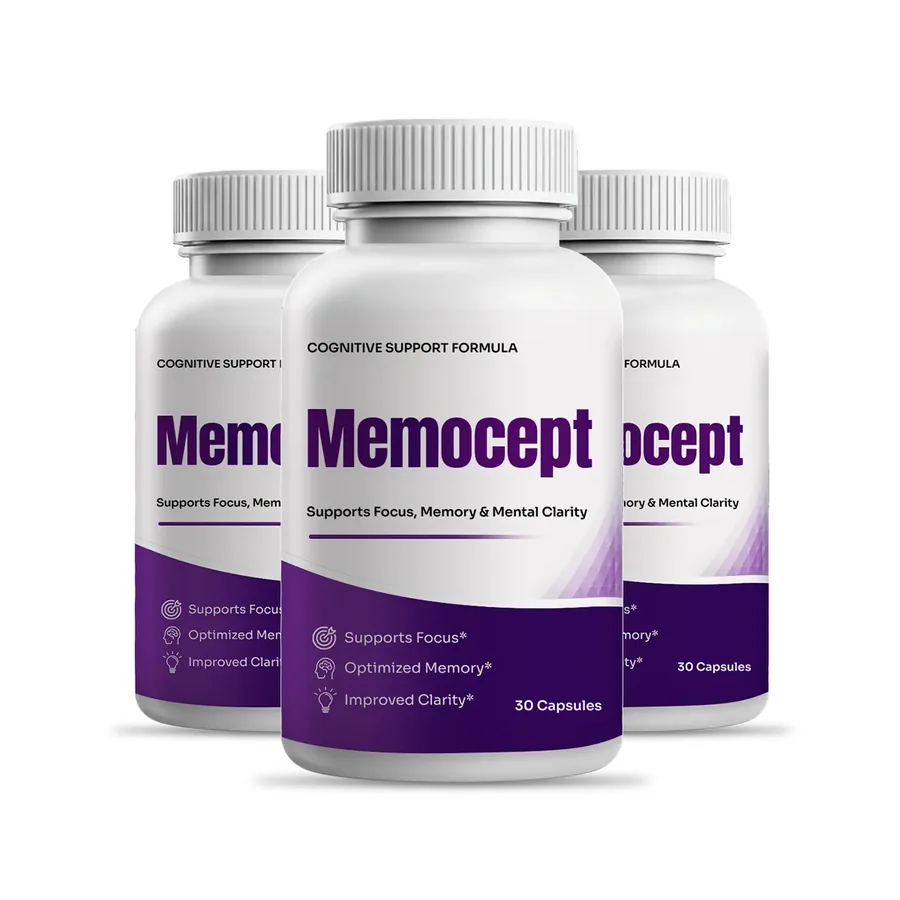
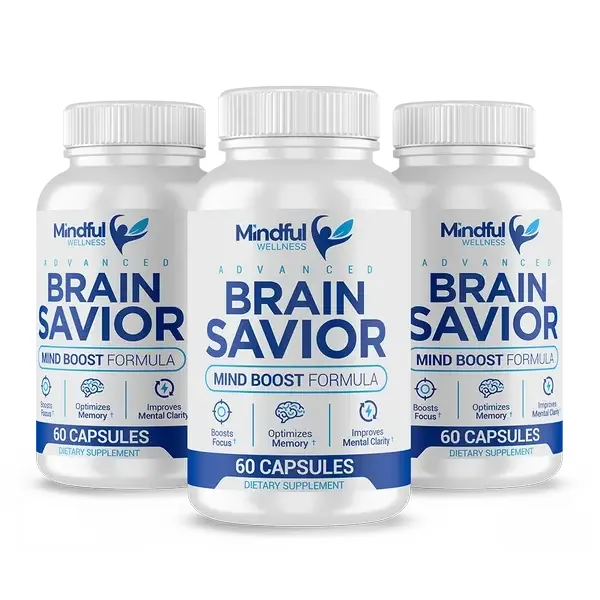
Quick verdict
Brain Savior, on formula transparency alone. Memocept's central problem is that two entirely different products are sold under the name — a stimulant blend and an amino-acid stack — so you cannot know what you are buying until the bottle arrives. Brain Savior's twelve ingredients are at least named openly, and three of them (citicoline, Bacopa, phosphatidylserine) have real human cognitive data.
Neither is a treatment for any condition. If you take medication or have a health condition, check with a doctor before choosing either.
Side-by-side comparison
| Feature | Memocept | Brain Savior |
|---|---|---|
| Formula clarity | Two conflicting formulas circulate under the name; one hides six actives in a 151 mg blend | Twelve ingredients named openly, though per-ingredient amounts are not always published |
| Stimulant content | The B-vitamin version contains undisclosed caffeine from green coffee, sometimes theacrine and theobromine | Stimulant-free — no caffeine, no theacrine |
| Best-evidenced ingredients | Bacopa and Huperzine-A, at doses the 151 mg blend total cannot support | Citicoline, Bacopa monnieri and phosphatidylserine, all with human trial data |
| Weakest inclusions | An amino-acid version with no established nootropics at all | Ginkgo biloba (failed the GEM prevention trial) and L-tyrosine outside acute stress |
| Price | About $49–$69 per 30-capsule bottle | $79 single bottle, $49 on the six-bottle tier |
Where the two genuinely differ
This is not the usual comparison of two similar blends. Brain Savior is a conventional multi-ingredient nootropic — you can read the ingredient list, look up each one, and form a judgement. Memocept is a labelling problem before it is a formula problem: marketing for it describes a B-vitamin base with a 151 mg proprietary blend containing caffeine, and separately describes an L-arginine, L-citrulline and beta-alanine stack. Those work by different mechanisms and carry different risks. Until you hold the Supplement Facts panel, there is nothing to evaluate.
The dosing arithmetic that applies to both
Citicoline is studied at 250–500 mg, Bacopa at 300 mg standardised extract, phosphatidylserine at 100–300 mg. Three ingredients at trial doses would fill most of a capsule. Brain Savior lists twelve; Memocept's blend total is 151 mg for six. Neither can be delivering study amounts of everything on the label, which is the normal situation in this category and the main reason to keep expectations low.
If neither appeals
Buying citicoline or Bacopa as single ingredients is cheaper, verifiable and lets you test one variable at a time. That is a genuinely better approach than either product for most people, and it is worth saying plainly.
Frequently asked questions
Which is safer?
Brain Savior, mainly because it is stimulant-free and its contents are known. Memocept's undisclosed caffeine content plus Huperzine-A is harder to assess, particularly alongside cardiovascular or psychiatric medication.
Do either have trials on the finished product?
No. Neither has been tested as a finished formula. All claims for both rest on ingredient literature.
Which works faster?
Neither is fast. Bacopa evidence runs over 8–12 weeks. If Memocept's caffeine version gives you something on day one, that is the caffeine.
Related on FactoWiki
General information, not medical advice. FactoWiki does not place affiliate links on comparison pages.