Heart & Cardiovascular Health Supplements: Ingredients, Safety & Buying Guide (2026)
Cardiovascular supplements usually combine nitrate sources such as beetroot, CoQ10, magnesium and omega-3s. A few of these have genuine, repeatable human data — beetroot for small blood-pressure reductions, CoQ10 in statin users and heart failure, magnesium where someone is deficient. None of them substitute for blood-pressure medication, statins or cardiac follow-up, and any page suggesting they unclog arteries is describing something no supplement does.
On this page
What heart & cardiovascular health support means · the problems people try to solve · the red flags · the best-studied ingredients · the products we've reviewed · safety and who should avoid them · FAQs.
What heart & cardiovascular health support actually means
Cardiovascular support in the supplement aisle means one of three things: helping blood vessels dilate (nitrate sources like beetroot), supporting cardiac cell energy (CoQ10, L-carnitine), or correcting a nutrient shortfall (magnesium, omega-3). All three are legitimate targets. None of them is a treatment for cardiovascular disease, which is managed with medication, monitoring and lifestyle change.
Common problems people try to solve
People come to this category for high blood pressure readings, a cholesterol result they did not like, palpitations, breathlessness on exertion, or muscle aches after starting a statin. The first two can reasonably be supported alongside medical care. The last three need a doctor first — chest pain, new breathlessness and irregular heartbeat are not supplement problems.
The claims that should stop you buying
Be sceptical of anything claiming to dissolve plaque, reverse heart disease, clean the arteries, or let you stop a statin. Atherosclerotic plaque does not dissolve because of a capsule, and stopping a statin or antihypertensive without supervision is one of the more dangerous things this market encourages.
When this needs a doctor, not a supplement
Chest pain or pressure, pain radiating into the jaw or arm, new or worsening breathlessness, fainting, or a persistently irregular pulse are emergency or urgent-appointment symptoms. So is a home blood-pressure average consistently above 180/120. None of these is a reason to try a supplement first.
Best-studied ingredients for heart & cardiovascular health
Compare products in this category by ingredient rather than by marketing and the same names recur. Here is what the evidence says about each.
Coenzyme Q10 (CoQ10)
CoQ10 is a compound your cells use to make energy and as an antioxidant. It is popular for heart health, statin-related muscle aches and migraine,…
Read guide →IngredientBeetroot
Beetroot is a dietary source of nitrate that the body turns into nitric oxide, relaxing blood vessels. It has reasonably good evidence for modestly…
Read guide →IngredientMagnesium
Magnesium is an essential mineral involved in hundreds of body processes, including nerve and muscle function, energy and blood-sugar control. Many…
Read guide →IngredientOmega-3 (EPA & DHA)
The omega-3 fatty acids EPA and DHA from fish oil have solid evidence for lowering triglycerides and are structurally important for the heart, brain…
Read guide →IngredientHawthorn
Hawthorn is a traditional heart tonic studied mainly as an add-on in mild heart failure. Because it acts on the heart and interacts with cardiac…
Read guide →IngredientL-Carnitine
L-carnitine is an amino-acid derivative that helps shuttle fatty acids into cells to be burned for energy. It is marketed for fat loss and exercise,…
Read guide →Products we've reviewed in this category
 Heart & Cardiovascular Health
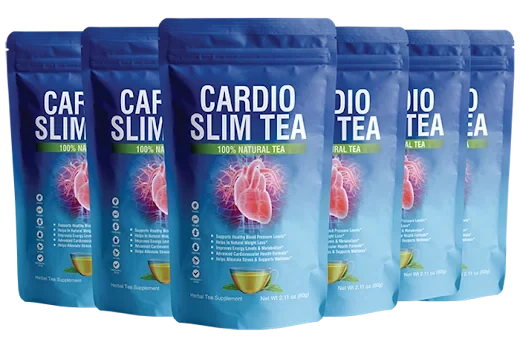
Cardio Slim Tea
Cardio Slim Tea is sold around both cardiovascular and weight-loss claims. Its presentation makes unusually specific promises about blood pressure, so the evidence standard…
Read guide →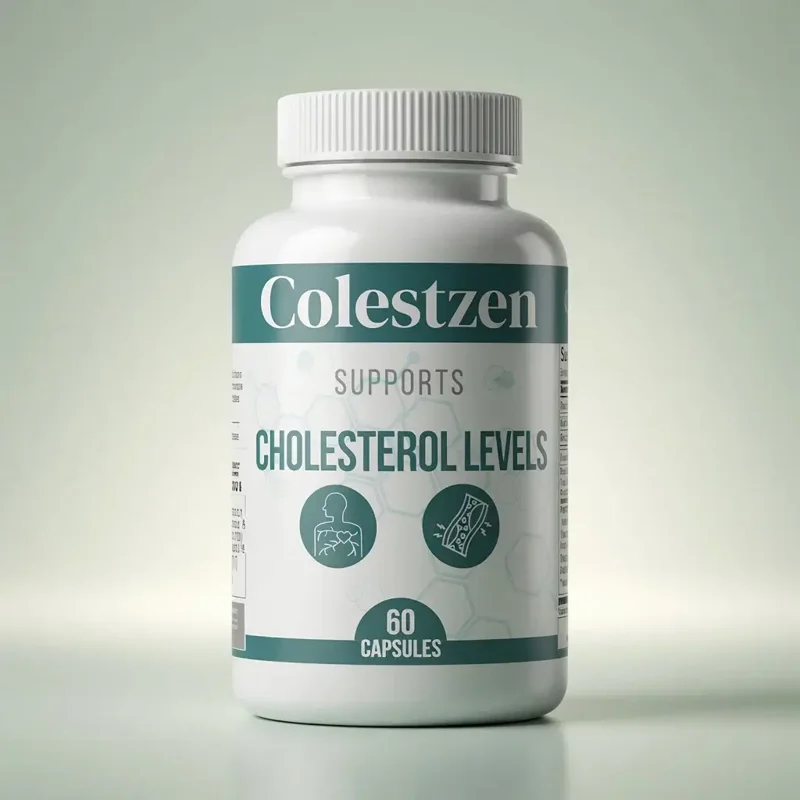 Heart & Cardiovascular Health
ColestZen
ColestZen is a two-capsule daily supplement marketed for healthy cholesterol, heart health and blood sugar. Its seller page lists nine botanicals — mostly blood-sugar herbs…
Read guide →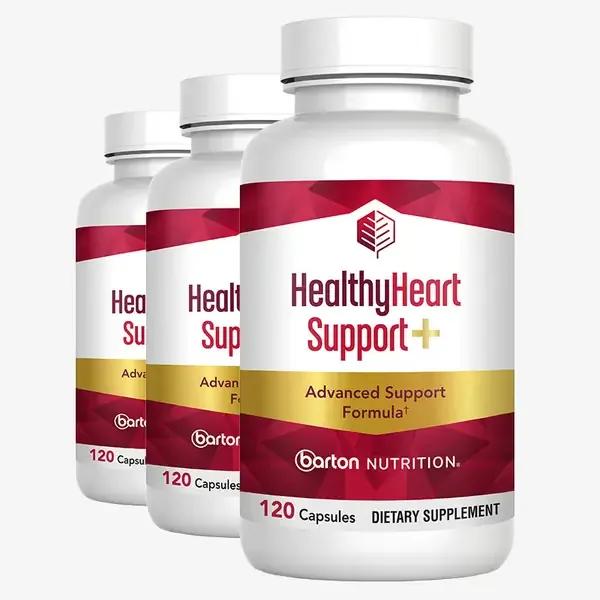 Heart & Cardiovascular Health
HealthyHeart Support+
HealthyHeart Support+ is Barton Nutrition's 6-in-1 cardiovascular formula: CoQ10, beetroot, magnesium, olive leaf extract, L-carnitine and ashwagandha, taken as four capsules…
Read guide →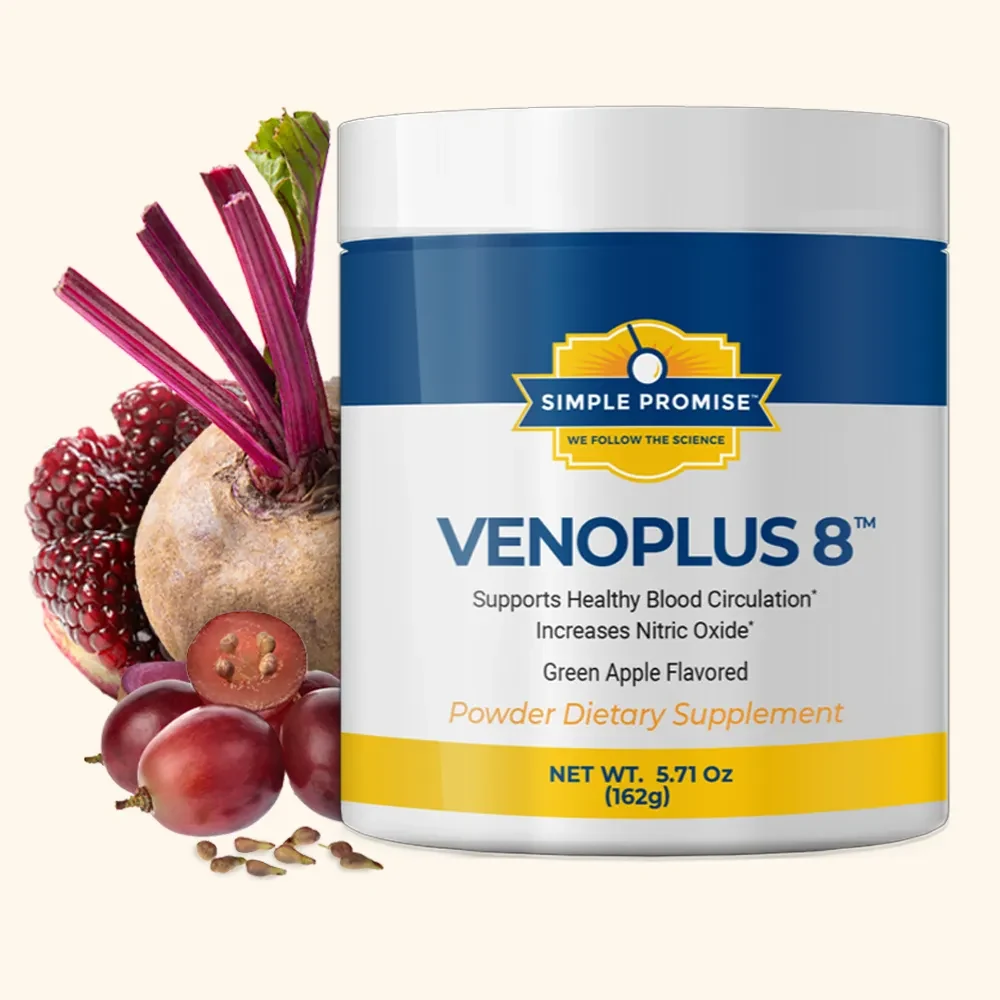 Heart & Cardiovascular Health
Venoplus 8
Venoplus 8, styled VenoPlus 8 by its seller, is marketed by Simple Promise for cardiovascular and circulation support. The review question is whether the exact product…
Read guide →Heart & Cardiovascular Health supplements compared
A side-by-side of what we've reviewed so far. Sellers set prices and guarantees and change them, so confirm on the official page.
| Product | Key ingredients | Price from | Guarantee | Best for |
|---|---|---|---|---|
| HealthyHeart Support+ | CoQ10, beetroot, magnesium, olive leaf extract, L-carnitine, ashwagandha | Varies by package; 120 capsules is a one-month supply | Per-vendor money-back guarantee | Adults already managing blood pressure who want an evidence-plausible addition, cleared with their doctor |
Safety notes for heart & cardiovascular health supplements
Medication & safety check
The interaction that matters most in this category is additive hypotension with blood-pressure medication, and CoQ10 reducing the effect of warfarin. Take the full label to a pharmacist if you take anything regularly.
These products are not a replacement for prescribed antihypertensives or statins, cardiac follow-up, dietary change or your doctor's advice.
General information, not personal medical advice.
Who should avoid these supplements
Take advice from your GP or a cardiologist before starting if any of this applies: anyone taking warfarin (CoQ10 can reduce its anticoagulant effect and vitamin K in greens formulas interferes directly), anyone already on antihypertensives (additive hypotension), anyone with reduced kidney function considering magnesium or potassium, and anyone with a thyroid condition considering ashwagandha.
What to check before buying
Look for a published milligram figure for CoQ10 (100–300 mg is the studied range), a stated nitrate content rather than just ‘beetroot powder’, magnesium in a well-absorbed form such as glycinate or citrate rather than oxide, and no claims about arteries or medication. Then work out the delivered cost per day and read the refund terms rather than the guarantee badge.
Frequently asked questions
Do heart & cardiovascular health supplements actually work?
Some ingredients do, modestly, in the right person. None of them is a treatment for cardiovascular disease, which is managed with medication, monitoring and lifestyle change.
Can these replace prescribed medication?
No. Claims about to dissolve plaque, reverse heart disease, clean the arteries, or let you stop a statin.
What should I check on the label?
Look for a published milligram figure for CoQ10 (100–300 mg is the studied range), a stated nitrate content rather than just ‘beetroot powder’, magnesium in a well-absorbed form such as glycinate or citrate rather than oxide, and no claims about arteries or medication.
Who should avoid them?
Take advice first if this describes you: anyone taking warfarin (CoQ10 can reduce its anticoagulant effect and vitamin K in greens formulas interferes directly), anyone already on antihypertensives (additive hypotension), anyone with reduced kidney function considering magnesium or potassium, and anyone with a thyroid condition considering ashwagandha.
Related guides
General information, not medical advice. FactoWiki may earn a commission from links on product review pages, never on comparisons.