Sciatica & Nerve Pain Supplements: Ingredients, Safety & Buying Guide (2026)
Sciatica supplements are sold to a large, uncomfortable and often desperate audience, and the category has a structural problem: around 90% of sciatica comes from a disc bulge or spinal stenosis pressing on a nerve root, and nothing swallowed relieves mechanical compression. Where these formulas have genuine evidence is the smaller group whose nerve symptoms are metabolic — diabetic neuropathy, B12 deficiency, alcohol-related damage — and those are diagnosed with a blood test, not a sales page.
Before you compare products
Read how to compare sciatica supplements — and what they cannot fix — the label checks and evidence benchmarks that matter in this category.
On this page
What sciatica & nerve pain support means · the problems people try to solve · the red flags · the best-studied ingredients · the products we've reviewed · safety and who should avoid them · FAQs.
What sciatica & nerve pain support actually means
Nerve support in this category means one of three things: correcting a deficiency that is causing nerve symptoms (B12, B1), supplying antioxidants that have neuropathy evidence (alpha-lipoic acid, acetyl-L-carnitine), or reducing inflammation around irritated tissue (PEA, turmeric, Boswellia). The first two have real trial support in metabolic neuropathy. None of them decompresses a nerve root.
Common problems people try to solve
People arrive here with radiating leg pain, burning, tingling, numbness or weakness. The important distinction is mechanical versus metabolic: mechanical sciatica typically follows one leg in a dermatomal pattern, worsens with sitting or coughing, and often started with a specific movement. Metabolic neuropathy is usually bilateral, starts in the feet, and is described as burning or glove-and-stocking numbness.
The claims that should stop you buying
Be sceptical of anything claiming to regenerate nerves, cure sciatica or remove the need for surgery. Also be wary of vitamin B6 at high doses — above roughly 100 mg daily long term it causes peripheral neuropathy, the exact problem these products are sold to fix, and several formulas in this category contain enough to matter.
When this needs a doctor, not a supplement
Progressive leg weakness, numbness in the saddle area (inner thighs, buttocks, genitals), or new bladder or bowel changes are cauda equina syndrome symptoms and constitute a surgical emergency — go to A&E, do not wait. Sciatica following significant trauma, or accompanied by fever or unexplained weight loss, also needs urgent assessment.
Best-studied ingredients for sciatica & nerve pain
Compare products in this category by ingredient rather than by marketing and the same names recur. Here is what the evidence says about each.
Alpha-Lipoic Acid
Alpha-lipoic acid is an antioxidant with genuine randomised-trial evidence for easing the symptoms of diabetic nerve pain. It is the most-studied…
Read guide →IngredientPalmitoylethanolamide (PEA)
PEA is a fatty acid amide the body produces naturally in response to tissue stress. It has a surprisingly decent evidence base for chronic and…
Read guide →IngredientAcetyl-L-Carnitine
Acetyl-L-carnitine is a form of the amino-acid-like compound carnitine that crosses into cells and the brain easily. It is studied for diabetic nerve…
Read guide →IngredientBenfotiamine
Benfotiamine is a fat-soluble form of vitamin B1 (thiamine) that is absorbed far better than ordinary thiamine. It is used mainly for nerve support…
Read guide →IngredientVitamin B12
Vitamin B12 is an essential nutrient for healthy nerves, red blood cells and energy metabolism. Deficiency is a well-recognised and treatable cause…
Read guide →IngredientMagnesium
Magnesium is an essential mineral involved in hundreds of body processes, including nerve and muscle function, energy and blood-sugar control. Many…
Read guide →Products we've reviewed in this category
 Sciatica & Nerve Pain
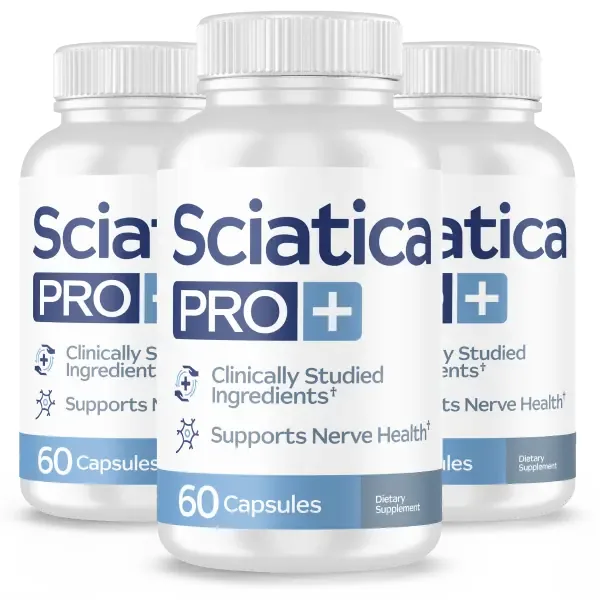
Sciatica Pro
Sciatica Pro is a wide-spectrum nerve support formula combining vitamin C, vitamin D, zinc, turmeric, berberine, green tea, magnesium oxide, ginger and Panax ginseng among…
Read guide →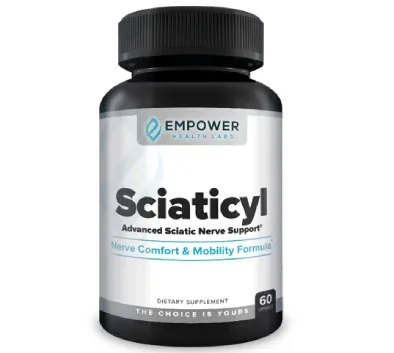 Sciatica & Nerve Pain
Sciaticyl
Sciaticyl is an 11-ingredient capsule for sciatic nerve discomfort, built on B1, B6 and B12, magnesium, N-acetyl cysteine and acetyl-L-carnitine. Several of those have real…
Read guide →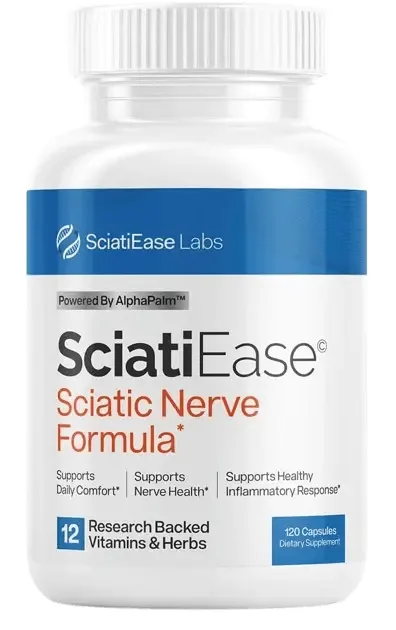 Sciatica & Nerve Pain
SciatiEase
SciatiEase is a 120-capsule formula built on palmitoylethanolamide (PEA), R-alpha lipoic acid at 300 mg, acetyl-L-carnitine and a B-vitamin complex. Of the sciatica products…
Read guide →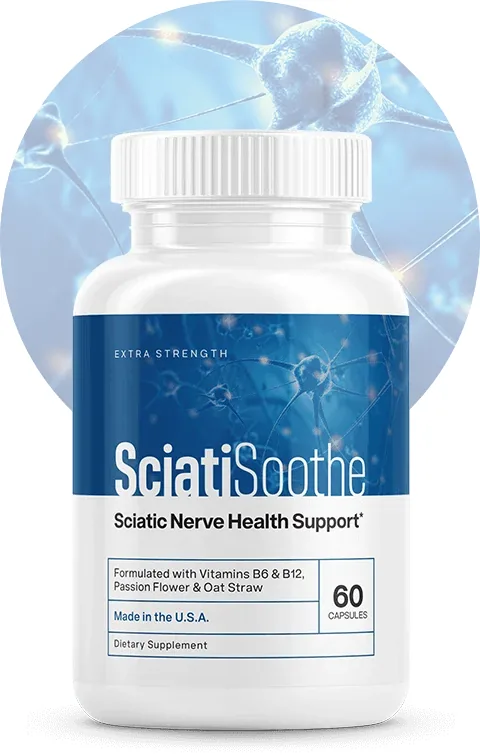 Sciatica & Nerve Pain
SciatiSoothe
SciatiSoothe is marketed for sciatic nerve discomfort using the familiar combination of B vitamins, antioxidants and anti-inflammatory botanicals. Before evaluating any of…
Read guide →Sciatica & Nerve Pain supplements compared
A side-by-side of what we've reviewed so far. Sellers set prices and guarantees and change them, so confirm on the official page.
| Product | Key ingredients | Price from | Guarantee | Best for |
|---|
Safety notes for sciatica & nerve pain supplements
Medication & safety check
The interaction that matters most in this category is high-dose vitamin B6, which above roughly 100 mg/day long term can itself cause nerve damage — the exact problem these products claim to address. Take the full label to a pharmacist if you take anything regularly.
These products are not a replacement for physiotherapy, imaging where indicated, prescribed neuropathic pain treatment or your doctor's advice.
General information, not personal medical advice.
Who should avoid these supplements
Take advice from your GP, a physiotherapist or a spinal specialist before starting if any of this applies: anyone with the emergency symptoms above, anyone taking a formula whose B6 content is undisclosed or above 100 mg, anyone on anticoagulants (turmeric, ginger and green tea all add bleeding risk), and anyone on insulin or a sulfonylurea considering alpha-lipoic acid, which can lower blood glucose.
What to check before buying
Look for a stated B6 amount under 100 mg, alpha-lipoic acid or acetyl-L-carnitine at doses resembling the trials (600 mg and 1,500 mg+ respectively), micronised PEA if PEA is claimed, and no promise of nerve regeneration. Then work out the delivered cost per day and read the refund terms rather than the guarantee badge.
Frequently asked questions
Do sciatica & nerve pain supplements actually work?
Some ingredients do, modestly, in the right person. None of them decompresses a nerve root.
Can these replace prescribed medication?
No. Claims about to regenerate nerves, cure sciatica or remove the need for surgery.
What should I check on the label?
Look for a stated B6 amount under 100 mg, alpha-lipoic acid or acetyl-L-carnitine at doses resembling the trials (600 mg and 1,500 mg+ respectively), micronised PEA if PEA is claimed, and no promise of nerve regeneration.
Who should avoid them?
Take advice first if this describes you: anyone with the emergency symptoms above, anyone taking a formula whose B6 content is undisclosed or above 100 mg, anyone on anticoagulants (turmeric, ginger and green tea all add bleeding risk), and anyone on insulin or a sulfonylurea considering alpha-lipoic acid, which can lower blood glucose.
Related guides
General information, not medical advice. FactoWiki may earn a commission from links on product review pages, never on comparisons.